Introduction — a quick lab moment
I remember the first time I watched a busy bench fall quiet as a new instrument took over—a small, odd relief. In many labs today the automated nucleic acid extraction workstation is doing the heavy lifting: one device, dozens of samples, hours reclaimed. Recent internal counts show many teams cut hands-on prep time by 40–60% after automation (yes, those numbers matter). So I ask: are we getting the lab time we paid for, or trading one set of headaches for another?
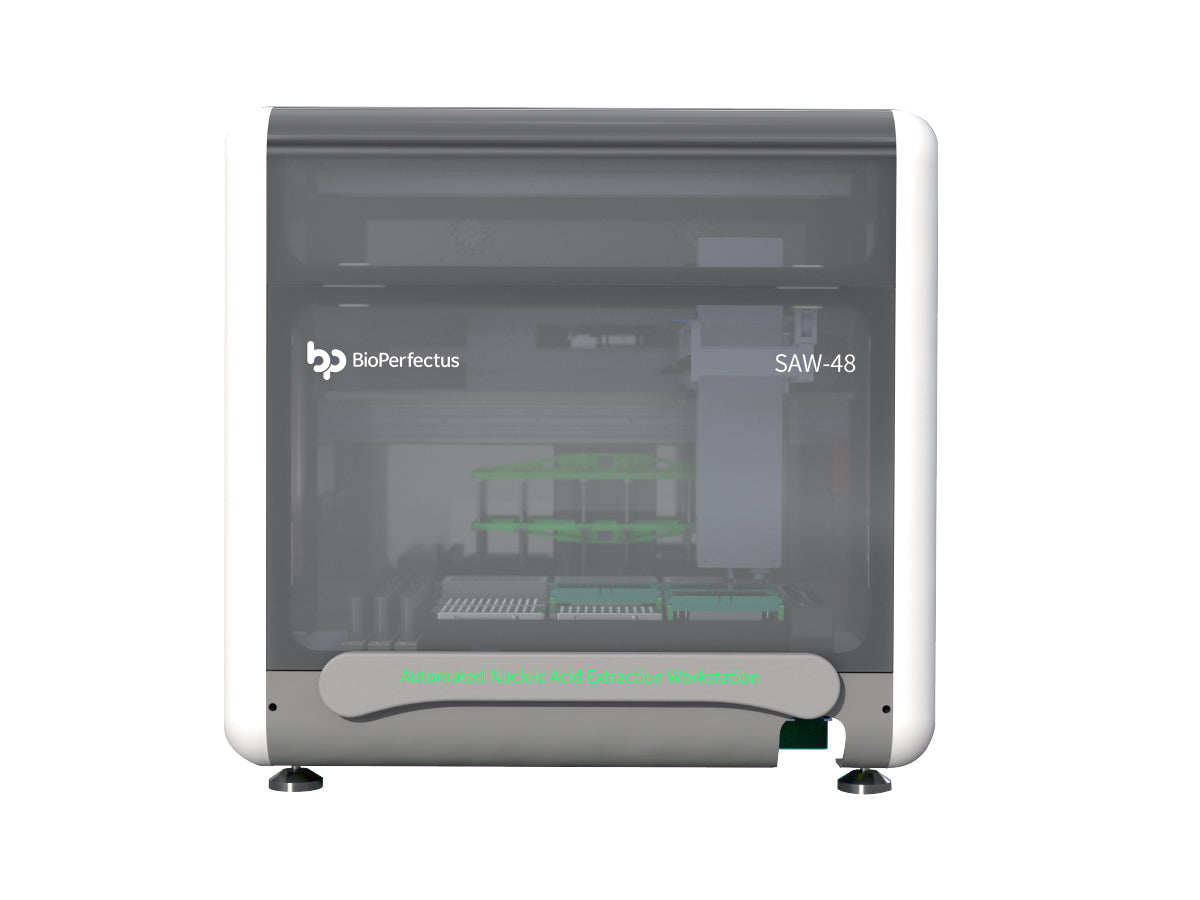
Think about a typical morning: pipettes lined up, a PCR plate waiting, and staff juggling sample prep, data logging, and QC. The extraction unit should simplify that flow. Yet people still face failed runs, extra cleanups, and odd data gaps. I write from the bench side — I want usable tools, not toys. This piece moves from a practical scene to tests and choices you can actually use in your lab. Next, I’ll dig into what really breaks in the standard setups and why.
Part 2 — Where common systems break down (technical look)
automated nucleic acid purification system is the phrase you’ll see in specs, brochures, and procurement lists. The truth is, many of these systems are fine on paper but weak at scale. I’ve seen three recurrent flaws: inconsistent bead binding when magnetic bead separation isn’t fully controlled, variable lysis buffer handling that ruins yield, and limited throughput planning that forces awkward batching. Those are not abstract problems; they cost time and samples. Look, it’s simpler than you think: small variability adds up fast. In my experience, a reliable liquid-handling robot needs stable tip motion, predictable magnet timing, and good error reporting—without those, your run-to-run variance spikes.
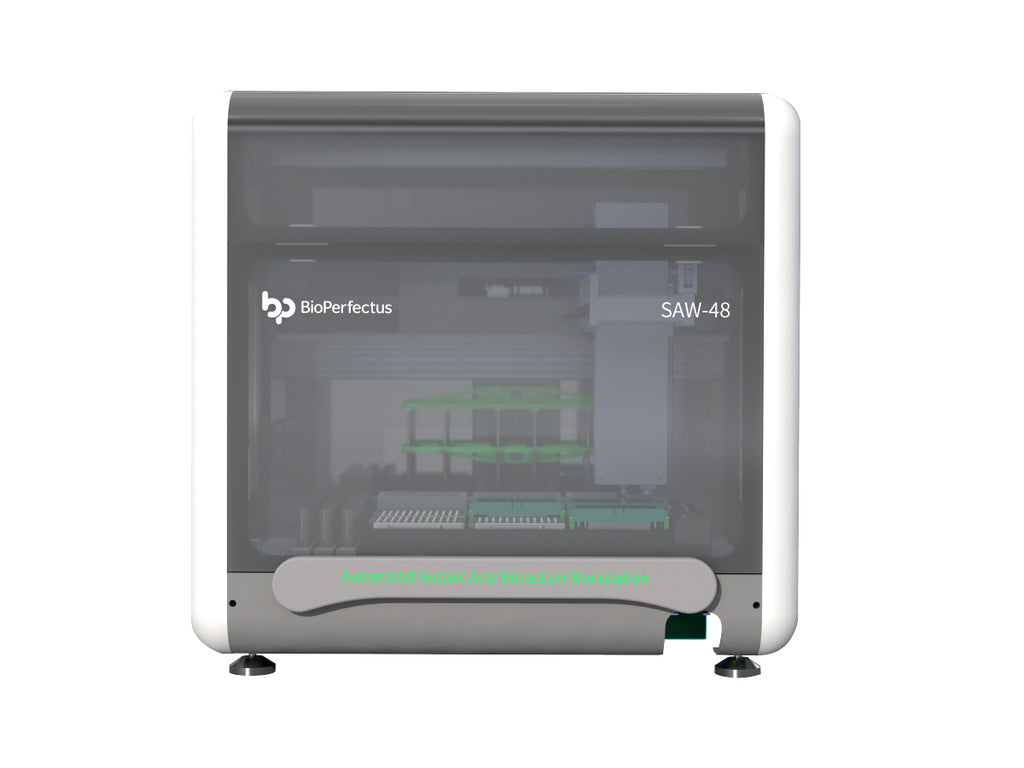
Why do vendors miss these points?
Vendors often optimize for speed or cost instead of robustness. They will boast cycle times and capacities, but rarely stress-test the interplay of sample viscosity, temperature drift, and reagent lot differences. I’ve had runs fail because a heater’s tolerance drifted 1–2°C—seemingly small, but that shifted binding kinetics enough to drop recovery below threshold. Industry terms matter here: throughput, magnetic bead separation, and sample prep are not buzzwords—they’re the things that make or break a project. I prefer systems that report process metrics in real time; otherwise you’re guessing. People ask me if the extra spend is worth it—my answer leans toward yes when your work matters and mistakes are costly.
Part 3 — Principles and practical checks for the next lab upgrade
Looking ahead, I focus on new technology principles rather than hype. A modern automated nucleic acid purification system should combine robust mechanics with smart sensing: closed-loop control for magnet position, fluid-detection sensors to catch missed aspirates, and clear software logs for traceability. When assessing platforms, I test sample types—blood, swabs, high-viscosity lysates—to see how the system adapts. I also watch for modularity: can the deck accept different reagent racks? Can you swap modules without a full service call? These design choices matter; they reduce downtime and make scale-up smoother.
What’s next for labs adopting these tools? Prioritize systems that make your day predictable. Three quick metrics I use when evaluating: run-to-run coefficient of variation (CV) for yield, mean time between failures (MTBF), and usable throughput under mixed-sample loads. Those numbers tell you more than marketing slides. And yes—funny how that works, right? I’ve tested platforms that looked great until mixed matrices revealed hidden limits. In the end, pick systems that give you clear process data, simple maintenance, and the backup you need. For practical choices and support, I often point colleagues to vendors with proven field performance—like BPLabLine.