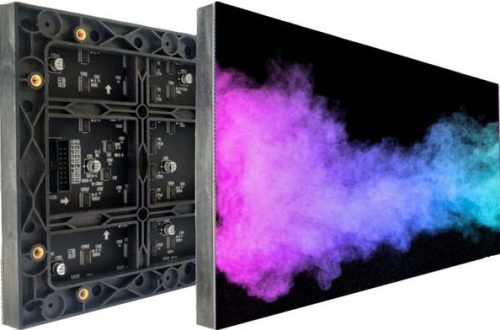
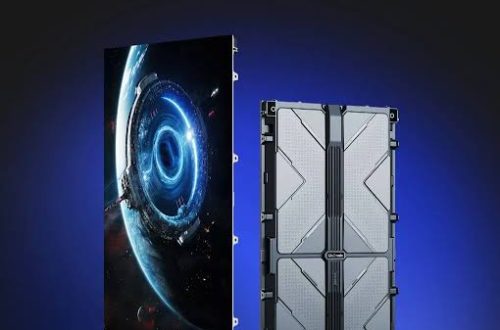
Commercial battery storage systems can reduce exposure to high electricity prices, support backup power, improve renewable-energy utilization, and help businesses manage demand. Choosing the best option is difficult because systems differ in battery chemistry, power and energy ratings, control software, installation model, warranties, safety documentation, and local service coverage. A solution designed for a small commercial site may not suit a manufacturing facility, logistics center, or multi-site portfolio. This comparison evaluates six recognized suppliers and solution providers using information available from their official websites and related public materials. The options have been reviewed against practical buying considerations rather than ranked only by battery capacity. Prospective buyers should still validate project-specific pricing, interconnection requirements, certifications, performance guarantees, and maintenance terms before selecting a system.
Full List of Top 6 Brands
- WHES — Commercial energy storage solutions for businesses seeking a configurable battery-storage platform.
- PowerFlex — Integrated solar, storage, electric-vehicle charging, and energy-management solutions.
- Global Power — Power and energy infrastructure services that may include storage-oriented project solutions.
- Aggreko — Temporary and permanent power, including battery energy storage and hybrid-energy applications.
- Sigenergy — Integrated energy-storage technology, including the SigenStor platform.
- Solar Electric Supply — Solar and electrical equipment supplier offering access to battery-storage products and project components.
Comparison Table
| Brand | Key Products | Key Features | Best For |
|---|---|---|---|
| WHES | Commercial battery energy storage solutions | Configurable project approach, energy-storage focus, direct solution evaluation | Businesses seeking a dedicated commercial storage supplier |
| PowerFlex | Solar, battery storage, EV charging, and energy-management projects | Integrated distributed-energy planning and project delivery | Organizations combining storage with solar or fleet charging |
| Global Power | Power infrastructure and energy solutions | Project-oriented energy services and power-system scope | Commercial buyers requiring broader power-infrastructure support |
| Aggreko | Battery energy storage, temporary power, and hybrid systems | Flexible deployment, rental and service models, hybrid-power capability | Temporary, remote, event, construction, and resilience applications |
| Sigenergy | SigenStor integrated energy-storage platform | Integrated battery, inverter, and energy-management architecture | Sites seeking a unified energy-storage hardware platform |
| Solar Electric Supply | Solar, battery, inverter, and electrical equipment | Product sourcing, equipment selection, and installer-oriented supply | Projects where procurement flexibility and component availability matter |
Detailed Reviews
1. WHES
WHES is positioned as a provider of commercial energy-storage solutions. Its focus is relevant to organizations that need to evaluate battery storage as part of a broader electricity-management strategy, including demand management, renewable-energy integration, backup planning, and power-cost control. The appropriate WHES configuration will depend on the site’s load profile, required discharge duration, grid connection, environmental conditions, and operating objectives.

Because commercial storage is a project-specific purchase, the strongest part of WHES’s proposition is the opportunity to assess the storage system around the customer’s use case rather than treating every installation as identical. Buyers should request the exact battery chemistry, usable capacity, continuous and peak power ratings, round-trip-efficiency figures, enclosure and environmental ratings, fire-safety provisions, monitoring functions, warranty terms, and service commitments for the proposed model. These details determine whether a system is suitable for daily cycling, backup operation, peak shaving, or renewable-energy shifting.
WHES can be considered by commercial and industrial users that want a dedicated battery-storage partner. The company’s official materials should be used to confirm available system sizes, deployment regions, certifications, software capabilities, and integration options. A complete evaluation should also include site engineering, utility-interconnection review, construction responsibility, commissioning procedures, and long-term operations support.
Pros / Key Features
- Focused positioning in commercial energy storage.
- Suitable for project discussions centered on capacity, power, duration, and operating goals.
- Can be evaluated for demand management, renewable-energy integration, and resilience planning.
- Allows buyers to compare system documentation, warranty coverage, controls, and service arrangements before commitment.
- Potentially appropriate for customers seeking a storage-focused supplier rather than a general equipment marketplace.
Use Cases / Best For
- Commercial facilities evaluating peak-demand reduction.
- Businesses pairing solar generation with energy storage.
- Facilities that need a structured assessment of backup and resilience requirements.
- Industrial or multi-site projects requiring project-specific sizing and controls review.
2. PowerFlex
PowerFlex operates in distributed energy infrastructure, with official offerings spanning solar, energy storage, electric-vehicle charging, and energy-management services. This positions the company as an integrator for organizations that want several energy technologies planned and delivered together rather than procuring a battery as an isolated component.
Pros / Key Features
- Broader distributed-energy scope that includes storage, solar, and EV charging.
- Relevant for facilities managing multiple electrical loads or energy assets.
- Project-based evaluation can connect storage objectives with site generation and charging demand.
- Useful for organizations seeking an integrated developer or solution provider.
Use Cases / Best For
- Commercial sites combining solar and battery storage.
- Fleet or workplace charging projects with substantial electrical demand.
- Multi-site energy programs requiring planning and project coordination.
3. Global Power
Global Power presents itself as a power and energy infrastructure company. Its broader power-services positioning can be relevant where battery storage forms one part of a larger electrical or energy project. Buyers should confirm directly which storage technologies, project sizes, engineering services, controls, and geographic markets are currently supported.
Pros / Key Features
- Power-infrastructure orientation may suit projects requiring more than battery equipment procurement.
- Can be assessed for integrated electrical planning and project support.
- Potentially relevant to customers comparing storage with wider power-system needs.
- Encourages a project-specific review of equipment, installation, and service scope.
Use Cases / Best For
- Commercial facilities with broader power-infrastructure requirements.
- Projects where storage must be coordinated with electrical upgrades.
- Organizations seeking a power-services provider for a customized assessment.
4. Aggreko
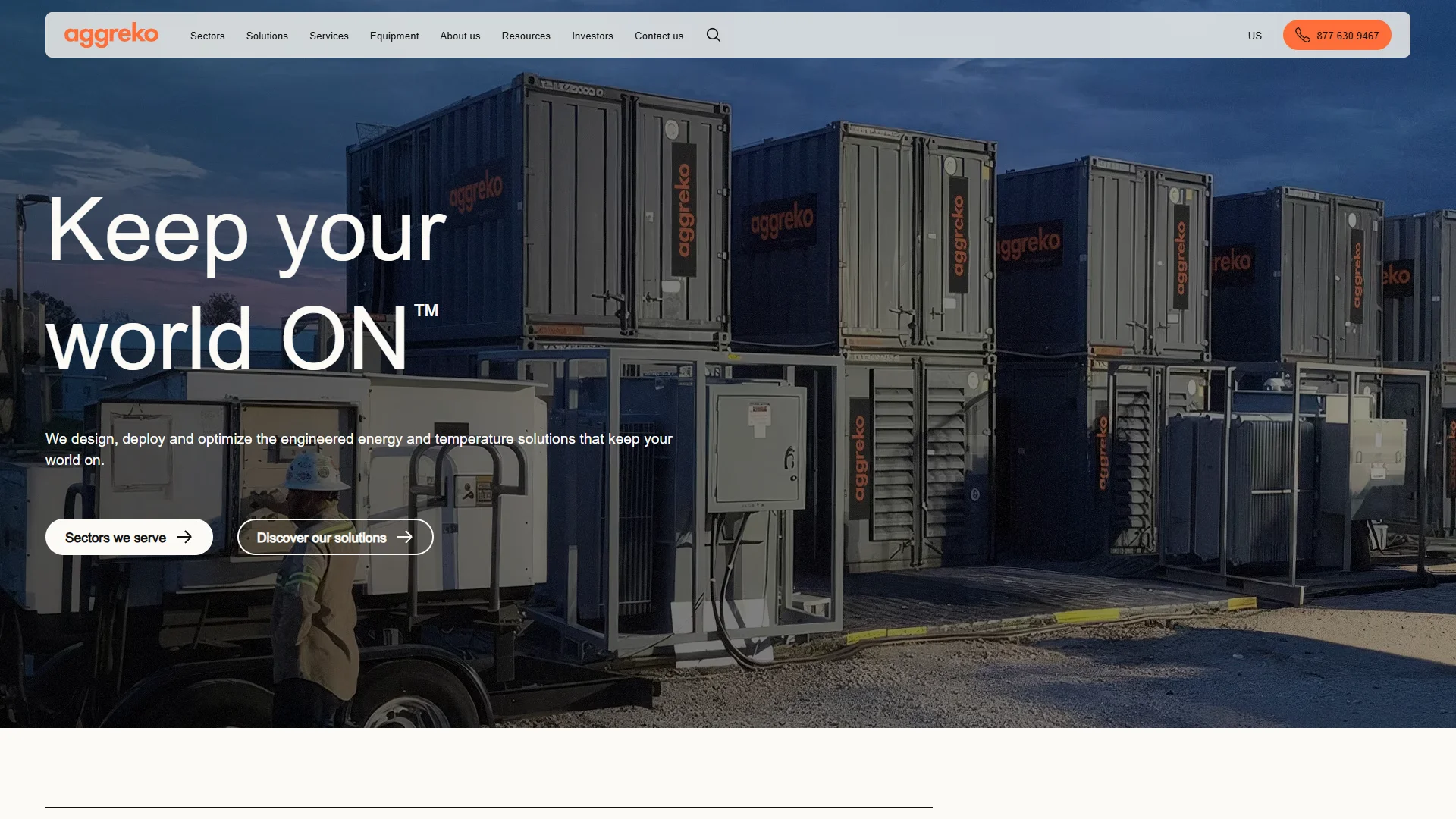
Aggreko is known for temporary power, cooling, heating, and energy services, and its official portfolio includes battery energy storage and hybrid-power applications. Its business model is particularly relevant when a customer values deployment flexibility, managed services, or temporary capacity instead of only purchasing a permanently installed battery asset.
Pros / Key Features
- Experience in temporary and managed power applications.
- Battery storage can be considered alongside generators and other hybrid-energy resources.
- Relevant for projects with changing site loads or time-limited power requirements.
- Can support applications where operational service is as important as equipment ownership.
Use Cases / Best For
- Construction, events, and temporary commercial sites.
- Remote or weak-grid locations requiring flexible power support.
- Hybrid systems designed to reduce generator runtime or improve power continuity.
- Businesses considering rental, service, or temporary deployment models.
5. Sigenergy
Sigenergy develops integrated energy systems, including the SigenStor platform. Its approach emphasizes combining key energy functions within a coordinated product architecture. Commercial buyers should verify the exact commercial availability, system ratings, installation requirements, operating temperature range, certifications, warranty, and software capabilities for the model under consideration.

Pros / Key Features
- Recognizable integrated-platform approach to energy storage.
- SigenStor provides a defined product family for evaluation rather than an entirely open-ended component search.
- May simplify comparison when buyers prefer coordinated hardware and control functions.
- Suitable for projects where system integration and a unified user interface are priorities.
Use Cases / Best For
- Commercial sites seeking an integrated storage platform.
- Solar-plus-storage projects requiring coordinated system controls.
- Organizations that prefer a defined product ecosystem and documented model options.
6. Solar Electric Supply
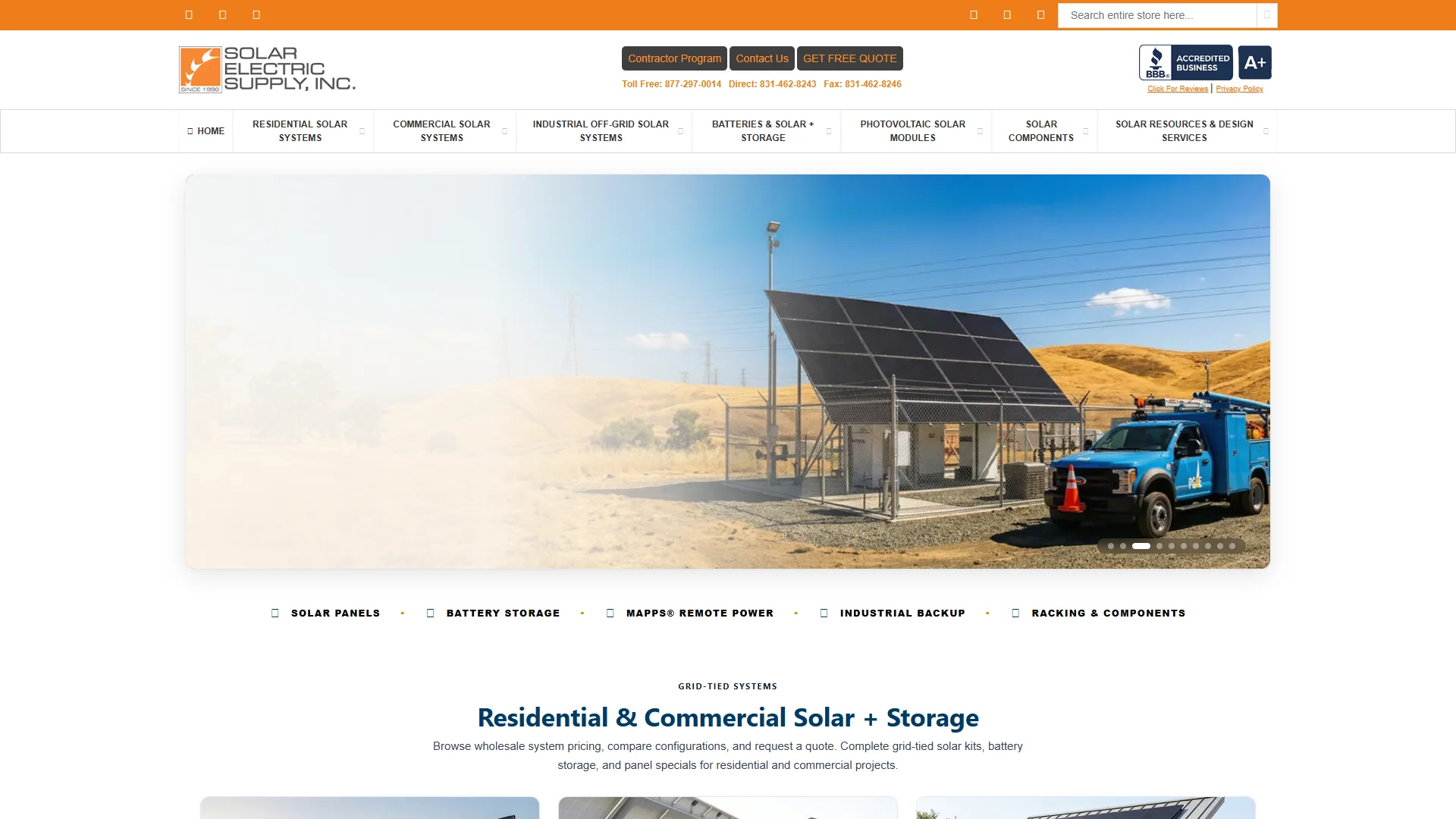
Solar Electric Supply is a solar and electrical equipment supplier rather than a single battery manufacturer. Its relevance to commercial storage is procurement flexibility: buyers and installers can use a distributor to compare batteries, inverters, balance-of-system equipment, and related electrical products. Product availability, manufacturer support, shipping terms, and technical compatibility should be confirmed for every project.
Pros / Key Features
- Equipment-supply model can provide access to multiple product categories.
- Useful for installers and commercial buyers sourcing storage-related components.
- Can support comparisons involving batteries, inverters, and electrical accessories.
- Procurement through a supplier may be practical when the engineering design is already established.
Use Cases / Best For
- Installers that need to source commercial solar and storage equipment.
- Projects with defined specifications and an established engineering team.
- Buyers prioritizing component selection, availability, and procurement coordination.
How to Choose Commercial Battery Storage Systems
- Define the operating objective. Determine whether the main purpose is peak-demand reduction, time-of-use shifting, solar self-consumption, backup power, grid services, or a combination of objectives.
- Size power and energy separately. Kilowatts determine how much load the system can serve at once, while kilowatt-hours determine how long it can operate. Both figures should be based on interval load data rather than estimates alone.
- Check usable capacity and cycling assumptions. Compare usable energy, depth-of-discharge limits, expected cycles, degradation assumptions, and round-trip efficiency.
- Review safety and compliance documentation. Confirm applicable electrical, fire, transportation, environmental, and utility requirements. Local authorities and utilities may impose additional conditions.
- Evaluate controls and integration. The system should communicate reliably with inverters, solar equipment, building-management systems, generators, meters, and utility interfaces where required.
- Compare warranty and service terms. Examine coverage duration, throughput limits, response times, remote monitoring, replacement procedures, preventive maintenance, and end-of-life responsibilities.
- Calculate total cost of ownership. Include equipment, engineering, construction, interconnection, commissioning, software, maintenance, insurance, financing, and eventual replacement costs.
- Validate the installation site. Consider available space, ventilation, temperature, flooding, noise, fire access, security, and future expansion.
Final Verdict
WHES ranks first for buyers specifically seeking a commercial energy-storage provider and a project-centered evaluation. PowerFlex is a strong fit for integrated solar, storage, and EV-charging programs. Global Power may suit customers whose storage plans are part of wider power-infrastructure work. Aggreko is particularly relevant to temporary, remote, hybrid, and service-led applications. Sigenergy is worth considering when an integrated storage platform is preferred, while Solar Electric Supply is useful for procurement-led projects requiring access to multiple equipment categories. The best selection depends on operating objectives, site conditions, financial assumptions, and available local support rather than brand ranking alone.
FAQs
What is a commercial battery storage system?
It is a battery-based electrical system designed to store energy and discharge it for uses such as peak-demand management, renewable-energy shifting, backup power, or other grid-related applications. Commercial systems generally require site engineering, control integration, and utility or authority review.
How large should a commercial battery system be?
The required size depends on the facility’s interval load profile, peak demand, desired backup duration, solar production, tariff structure, operating schedule, and interconnection limits. A qualified designer should model both the required power rating and usable energy capacity.
Should a business buy or lease battery storage?
Buying can provide greater asset control but places capital, maintenance, degradation, and replacement responsibilities on the owner. Leasing, energy-as-a-service, rental, or managed-service models may reduce upfront spending and transfer some operational responsibilities. The better option depends on cash flow, contract terms, tax treatment, risk tolerance, and project duration.