
Introduction: Why Small Design Choices Matter at Scale
A trash can looks simple, yet it behaves like a compact mechanical system. In one busy café during morning rush, a single bin absorbs hundreds of pedal presses and lid cycles within an hour. For any trash can manufacturer, that means tolerances, finishes, and fatigue all add up. Field audits show that lid misalignment and pedal squeak account for a surprising share of complaints—often above 30% in high-traffic sites. Add spills, odors, and a tight cleaning window, and you get stress on the hinge, the liner ring, and the base plate. Here, processes like injection molding, powder coating, and gas strut tuning decide whether a bin stays quiet and steady or degrades early (ya salam, details matter). So the question is simple: how do makers prevent the slow creep of failure when users push the product hard—every day? Let us compare the subtle choices that separate robust builds from the rest—and why it matters for your operations.
The Hidden Friction Users Feel (but Rarely Report)
Where do users really struggle?
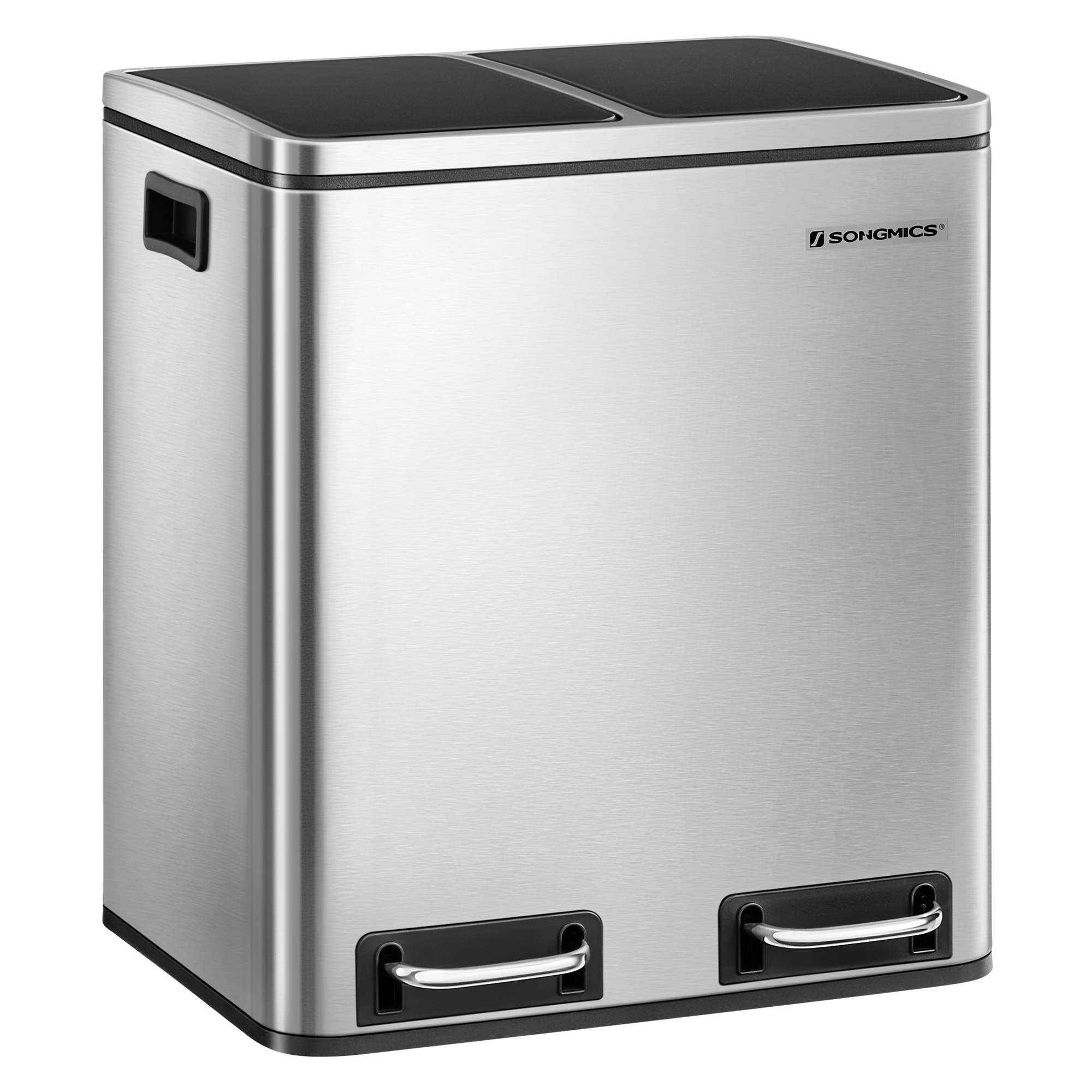
We build from the first section and look closer at user pain. For an experienced trash can manufacturer, the most common issues are not the dramatic breaks. It is the micro-friction. A liner that catches on a sharp seam. A pedal that needs just a bit more torque to open. A lid that snaps shut and startles guests. Over a normal duty cycle, these small frictions increase noise and effort. They also push cleaners to work around the product, not with it. That is when cracks start at the hinge boss, the footpad gets loose, and the base scuffs floors. Look, it’s simpler than you think: remove friction, and you extend life. A soft-close pathway and a tuned torsion spring make users trust the bin. An antimicrobial additive in the inner bucket helps housekeeping keep pace—without extra chemicals.
Odor and hygiene are a second layer. A bin that seals poorly leaks smells and invites extra cleaning. Here, a TPU gasket along the lid rim can make a clear difference. So can a quiet, damped step-on mechanism that prevents sudden slams. In food prep zones, a rounded lip reduces soil traps and speeds wipe-down. In smart or semi-smart bins, basic electronics can help but must be simple: a low-draw IR sensor and efficient power converters prevent frequent battery changes. If a design adds tech but increases maintenance, the team will disable it—funny how that works, right? The best solutions reduce tasks, not add to them, while staying compliant with hygiene codes.
Comparative Tech Principles Shaping the Next Wave
What’s Next
Now we move forward and compare the principles behind newer builds with the older playbook. Traditional bins focus on thicker steel and stronger hinges. Newer models add tuned motion control, modular parts, and selective sensing. Consider standard household and hospitality sizes. Many buyers search for wholesale 13 gallon trash cans because the volume fits kitchens, cafés, and break rooms. Yet capacity alone is not the edge. The edge is in engineered motion and service design. A gas strut with proper damping keeps the lid quiet. A reinforced pedal arm distributes force along the sidewall, not into one weak point. Stainless steel with corrosion-resistant treatment and consistent powder coating finish improves cleanability. In smart variants, a tiny MCU plus edge computing nodes can count cycles and signal when a footpad or hinge needs attention—without sending any personal data (privacy stays local).
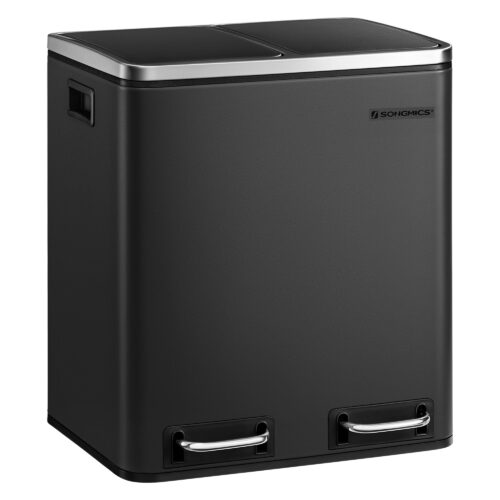
Think also about how parts swap. A replaceable hinge pin, a snap-in liner collar, and clearly indexed fasteners cut downtime. That is the real-world impact. Electronics should be modular, too, with a small PCB and sealed connectors rated for splash. If sensors exist, their standby draw must be low, and their response must never block manual open—safety first. Materials like ABS resin for inner buckets and brushed 410 stainless shells balance cost with durability. With these comparative upgrades, the bin becomes predictable to service and quiet to use. To choose well, keep three metrics in mind: first, cycle life per component under load (hinge, pedal, lid path); second, hygiene performance in practice—seal integrity, soil traps, and wipe time; third, serviceability time with standard tools, including access to small spares. Apply those, and your selection process becomes clear, steady, and fair—without guesswork. For further reference and sourcing, see SONGMICS HOME B2B.