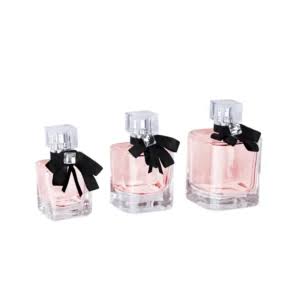
Setting the Stage: Choices That Shape the Shelf
This shift is bigger than a new scent drop. The round perfume bottle is at the center of it. Picture a launch week: a brand manager stares at two samples, both glossy, both shaped right, both promising shelf pop. Yet the global fragrance market keeps rising—around mid‑single digits last year—and glass demand tags along. That pressure squeezes timelines, pricing, and quality all at once. If your wall thickness varies, your spray feels off. If the neck finish drifts, caps rock. And if the drop test fails, returns climb fast.

Here’s the punchy truth: small differences stack up. A half-millimeter shift on the shoulder, a rough seam on the heel, or a tint mismatch under store LEDs can cost real money. Teams lose hours reworking decals. Pumps leak when torque is wrong. The story looks simple from the outside, but inside the bottle world, details rule (and delays sting). So, what do you compare when every option claims “premium”? And how do you protect brand feel without driving unit cost up? Let’s step through the harder part—where the snags hide—then weigh what’s next.
Under the Surface: Hidden Pain Points You Can Measure
What’s breaking behind the glass?
Choosing a round perfume bottle manufacturer often starts with look and price. It should start with control and repeatability. Look, it’s simpler than you think. Most failures track back to three things: mold tolerance, heat profile, and assembly fit. When the annealing lehr runs hot or uneven, micro‑stress stays in the glass. That shows up as surprise cracks during crimping. If the GPI neck finish drifts, atomizer pump crimps loosen or go too tight. Then spray rate changes and the fine mist feels wrong. You also see color skew after coating or screen printing. Under shop LEDs, it passes. Under daylight, it shifts. That hurts brand trust.
Legacy habits make it worse. Some lines skip in‑cycle gauge checks, so wall thickness swings across a batch. Cartons mix A and B lots without traceability. And the outbound drop test runs only at the end, not mid‑shift. By then, scrap is already on the truck—funny how that works, right? Technical fixes are clear: tighter cavity maintenance, inline vision for neck runout, and torque windows for crimp heads. But the hidden pain is the time you lose. Teams chase rework. Marketing delays launches. Finance pads cost. The better path is to lock specs that matter most and watch them early.
Comparative Edge: From Fixes to Forward Gains
What’s Next
Here’s how a mid‑size brand turned the corner. They moved to a supplier that tied QC to live data. Each cavity was tagged. An inline camera measured neck ovality, and a quick alert paused the lane. The next run held steady, and spray tests matched spec. Their color shop shifted to controlled pantone coating with low delta‑E targets. Then they tightened cap fit by verifying crimp force, not just visual checks. The result was simple to read on the shelf: cleaner seams, better hand feel, and a consistent mist. When they rolled a special edition in a perfume round bottle, the swap took days, not weeks—because tooling notes and torque windows were already in the file.
Forward-looking, the edge grows at the intersection of sensing and process. Vision systems keep an eye on heel and shoulder geometry. Small changes in wall thickness trigger a hold. Surface treatments get logged, so hot stamping or matte varnish stays uniform. You compare lines by defect rate per thousand, not by mood boards. Then you score lead time stability, not promises. The big idea lands like this: control beats hope, and early signals beat end‑of‑line rework. That frees your team to focus on the story behind the scent—where it counts most—and keeps the unit cost steady. It feels less glamorous, sure, but it’s the engine under the shine.

Use three quick checks when you choose a path. First, dimensional control: neck finish and thread pitch should show a high process capability, with drift flagged in-shift. Second, assembly fit: atomizer pump crimping should hit a tight torque window with leak rates below one percent across lots. Third, color and coating: confirm delta‑E targets on coated glass and verify abrasion resistance after packing tests. If a partner shows real data on those, you’re already ahead—because what gets measured gets better. And when it gets better, your launch stress drops and your shelf story holds. For deeper specs and steady, practical benchmarks, see NAVI Packaging.

