Introduction: A Small Queue, A Big Lesson
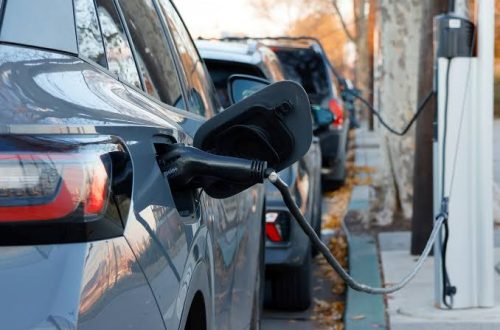
I remember waiting behind a single charger as three impatient drivers circled the lot like shoreline birds—that small scene made me laugh and then sigh. The ev power charging station I depended on that day served as a mini-drama: one slow unit, one tangled cord, and a 23-minute delay while I checked my phone (data says 68% of drivers notice delays more than once a month). So how do we stop these tiny failures from becoming big frustrations? I’ll be a bit cheeky but honest—let’s peel this onion together and get to the meat. — Now, onward to where the real problems hide.
Deeper Look: Why Old Fixes Fail the Grid
electric vehicle charger supplier vendors have long pushed plug-and-play boxes as the cure-all. I’ve tested those setups. They promise uptime but often deliver brittle systems. The core flaws are simple and stubborn: fixed power converters that can’t adapt to spikes, centralized control that chokes under load, and poor thermal management that shortens hardware life. Edge computing nodes are touted as a bandage, yet when vendors bolt them on without system-level planning, latency and coordination issues crop up. Look, it’s simpler than you think: scalability needs design, not slogans.
What exactly goes wrong?
First, legacy designs assume steady loads. They don’t handle simultaneous fast charging or vehicle-to-grid (V2G) events well. Second, firmware updates are a mess—vendors push patches asynchronously, and chargers end up on different versions, which breaks load balancing and creates unpredictable behavior. Third, installers often ignore site-level power distribution and circuit derating; that leads to tripped breakers and angry customers. I’ve seen all of this in the field—funny how that works, right? These are structural problems, not user faults, and fixing them requires hard engineering trade-offs.
Forward Look: New Principles for Resilient Charging Networks
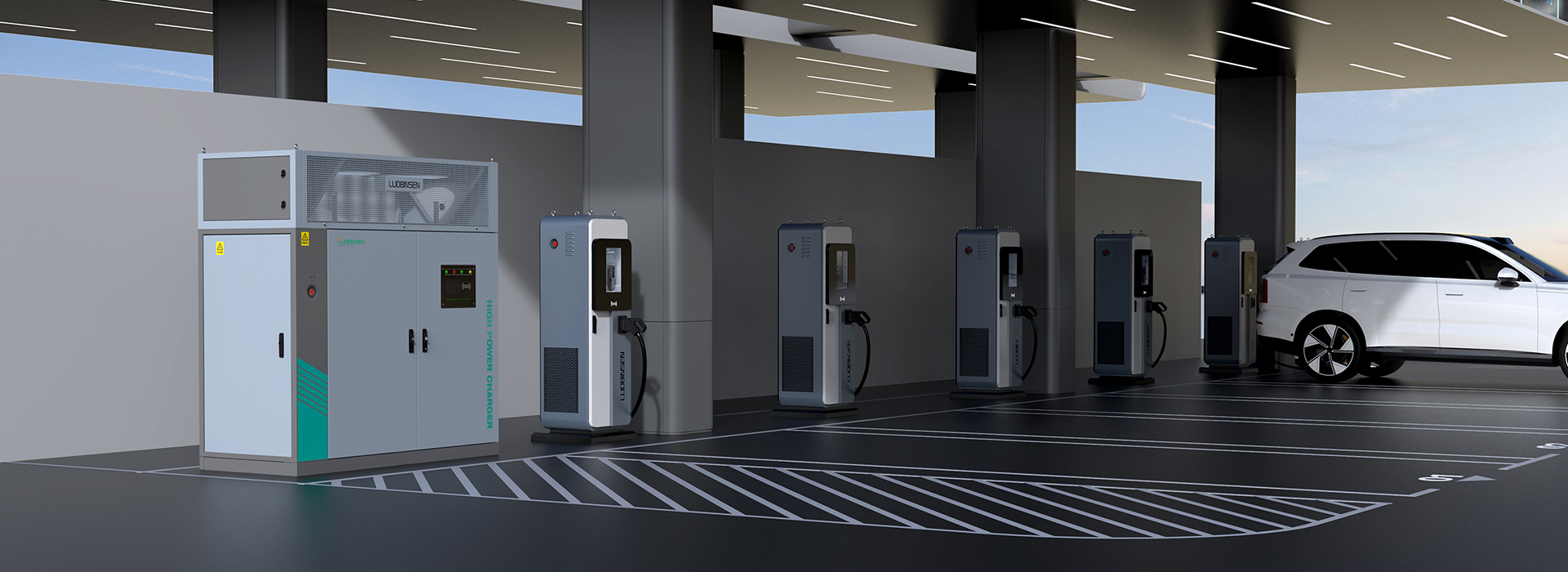
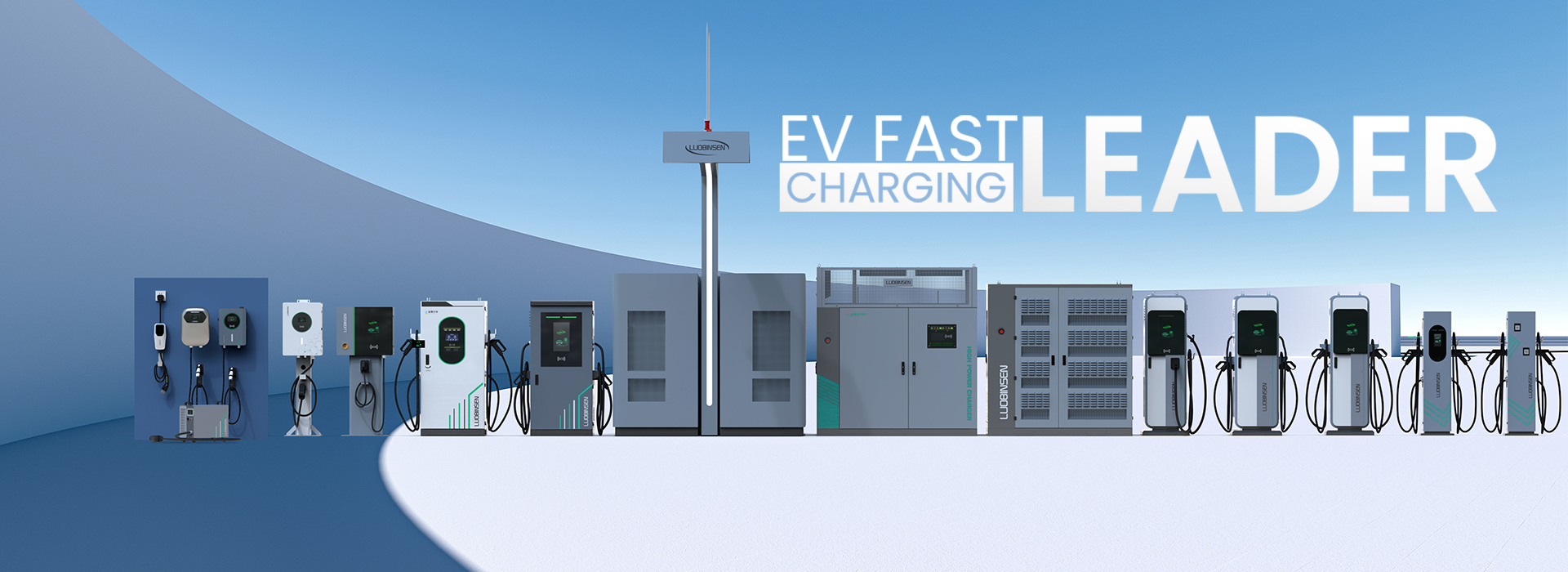
Moving ahead, I focus on new technology principles that actually work in real sites. The idea: design from the grid outward. Start with smart metering and real-time load balancing, then layer in modular DC fast charging units that talk to edge computing nodes for local decision-making. Distributed intelligence reduces latency and keeps stations responsive during peak demand. I believe modular power converters and adaptive thermal controls will be the next baseline; they cut downtime and extend component life. Also, software-defined charging that supports bidirectional flows (V2G) will change how we think about capacity—less waste, more flexibility.
What’s Next for operators?
Practical steps? First, adopt systems that expose telemetry openly. Second, prefer modular hardware over monolithic designs. Third—this is key—work with an ev charger supplier that understands site power, communications, and firmware lifecycle holistically. If you do that, you buy fewer surprises and more predictable uptime. I’m not claiming a silver bullet; rather, a set of better habits. — These changes will cost more up front, but they pay off in reliability and customer trust.
Closing: How to Choose—Three Metrics I Use
I’ll end with a straightforward checklist I use when evaluating stations and vendors. Keep these three metrics front and center: uptime under mixed loads (measure real-world, not lab stats), firmware and lifecycle support (how patches are delivered and tracked), and modularity of power systems (can you swap a converter or add a charger without rewiring the site?). Use these to cut through buzzwords and spot real value. We’ve talked about flaws and futures; now apply judgment. For dependable supply and clearer planning, consider working with a trusted partner like Luobisnen—they get the messy parts right, in my experience.