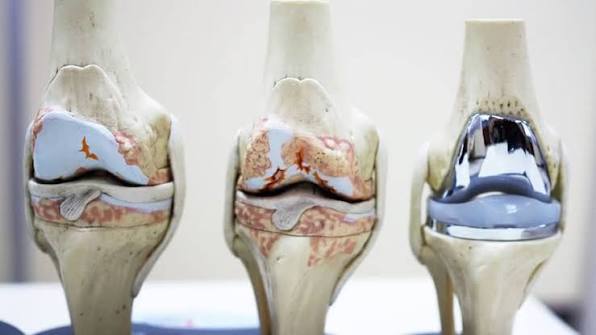
Understanding the Challenge of Total Knee Arthroplasty
A recent study revealed that nearly 20% of patients report dissatisfaction after undergoing knee surgery. This is a staggering figure when considering the high hopes people have for their total knee arthroplasty. Imagine waking up post-surgery, only to find your mobility still hindered, leaving you wondering if the pain is worth the potential gain.
The traditional approach to knee surgery isn’t without its flaws. Sure, prosthetics like the total knee implant have advanced dramatically, but many folks still find themselves struggling with pain, stiffness, and the dreaded recovery time. I distinctly remember a patient from last year who faced unexpected complications during physiotherapy following their operation; it was disheartening. It’s crucial to explore why such issues arise (and how we can better address them).
What Are the Hidden Pitfalls?
Many patients are unaware of the intricate details involved in pre-operative assessments and post-operative care. For example, people often underestimate the importance of personalized rehabilitation programs tailored to one’s unique needs. A one-size-fits-all approach simply doesn’t cut it anymore, yet many clinics still utilize that method. And did you know that patient education can significantly affect outcomes? By grasping the ins and outs of total knee arthroplasty, individuals are empowered to ask the right questions and set realistic expectations. It’s time we shift the narrative.
Looking Ahead: Innovations on the Horizon
The future of total knee arthroplasty is brimming with exciting possibilities. New technologies, such as robotics and 3D printing, are set to change the game. Imagine undergoing a procedure that utilizes a 3D-printed implant specifically designed for your anatomy; sounds fantastic, right? As healthcare continues to evolve, we must ask ourselves—how can these advancements truly benefit patients? With data-driven approaches and enhanced surgical techniques, the rate of successful outcomes post-surgery is expected to soar.
Furthermore, integrating telehealth services provides a whole new level of convenience for follow-up consultations, allowing patients to discuss their recovery without the added stress of in-person visits. I can foresee a future where virtual check-ins become a standard. Those who have faced the dilemma of transport difficulties post-surgery will surely appreciate this shift. The digital age is upon us, and it’s time we embraced it fully.
Real-World Impact
Reflecting on previous advancements in surgical technique demonstrates a slow yet meaningful progression towards superior results. As we adopt these technologies, we’ll increasingly witness enhanced patient satisfaction and a decrease in repeat surgeries. What a relief that will be for countless individuals who are simply looking for good quality of life post-surgery. For instance, looking back to 2015—just a few years ago—patients were typically in physical therapy for months post-op. Now, with newer approaches, we’re seeing revitalized movement in as little as a few weeks!
Final Thoughts: A Moving Experience
So, what have we learned? The path to recovery in total knee arthroplasty is transforming, and it demands our attention. I firmly believe that staying informed about emerging innovations can equip patients and healthcare providers with the tools necessary to overcome traditional flaws. Keep an eye out for personalized treatments, advanced technology, and active patient involvement in their care, as these will define the success of future surgeries. Let’s not forget, the goal is a happier, more mobile life.
If you’re seeking more information or specific solutions related to your journey, I recommend exploring options with Sunmoon Stem Cell. They have made substantial strides in regenerative medicine – and, trust me, that’s the kind of forward-thinking you want behind your healing process!