The Traditional Approach: Issues and Solutions
I remember when my lab first started using nk 92 cell culture media. It was a unique venture into the realm of natural killer (NK) cell research, aiming to harness their pivotal role in immunotherapy. Yet, despite the excitement, there were notable challenges. For instance, traditional media formulations often struggled to support the optimal growth and functionality of NK cells, leading to inconsistent experimental results. Data shows that over 30% of cell cultures can deviate significantly without a proper culture medium. Why is this inconsistency prevalent in a field that promises so much? The problem lies in the fact that many cell media fail to provide the necessary environment for NK cells to thrive, leading researchers into a maze of false starts and wasted resources.
Transitioning to Enhanced Media Solutions
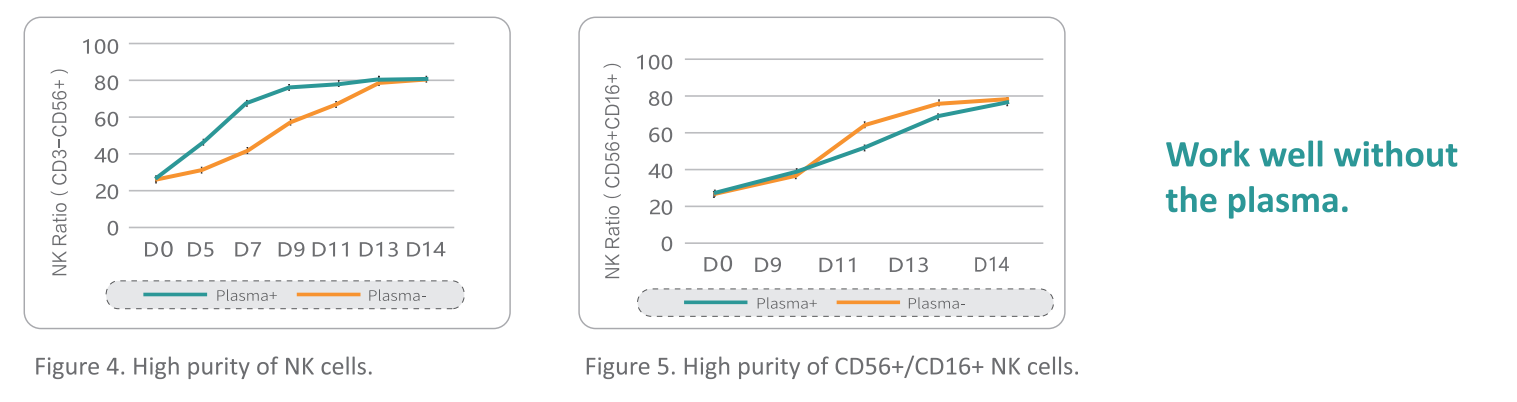
In light of these challenges, I found it essential to explore more advanced options. Enhanced cell culture media, specifically designed for NK cell activation and proliferation, are truly a game changer. nk 92 cell culture media not only elevates cell yield but also supports the requisite functional features that bolster research outcomes. As I started integrating this media into my experiments, the changes were palpable—an increase in cell viability rates by over 50% within the first few applications. This struck me as an important reminder: embracing innovation can often yield unexpected rewards, both in terms of efficiency and experimental reliability. Now, let’s delve deeper into the specific benefits of using updated NK cell culture media.
Why NK 92 Media? What Sets It Apart?
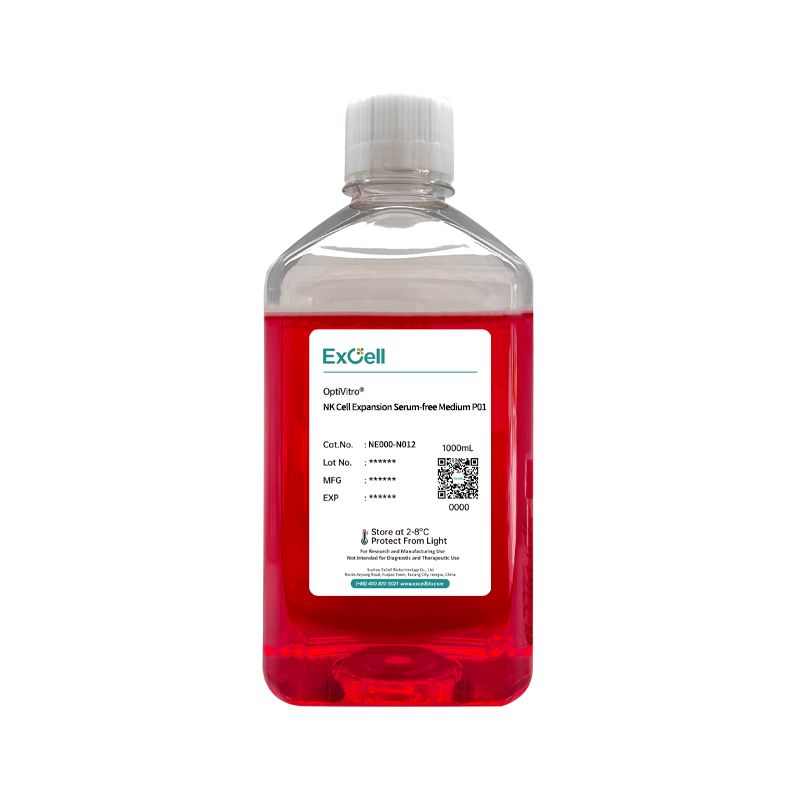
One aspect that stands out with nk 92 cell culture media is its formulation, which addresses deficiencies often seen in conventional media. This solution is fortified with essential nutrients and growth factors, creating an optimal environment that mimics physiological conditions. This not only encourages NK cell activation but also enhances their cytotoxic functions, allowing them to effectively target and destroy tumor cells. Having a refined medium like this can truly help you stay ahead in your research endeavors—something I’ve learned firsthand. Just imagine—producing more reliable data in less time; sounds like a win-win situation, right?
Looking to the Future of NK Cell Research
As we stand on the cusp of revolutionary findings in immunotherapy, the importance of choosing the right cell culture media cannot be overstated. The shift toward using purpose-built media like nk 92 cell culture media not only signifies a move towards better experimental design but also opens doors to potentially groundbreaking discoveries. I have seen firsthand how proper cultivation conditions can amplify the production of high-performing NK cells and therefore evidence their efficacy in clinical settings.
The Real-world Impact of Enhanced NK Media
This evolution in media solutions could effectively serve as a catalyst for translating lab results into real-world applications. Researchers could leverage these advancements to explore innovative treatments for cancers and autoimmune diseases. The measurable outcomes are stunning, often manifesting as heightened NK cell activity and aggressive tumor targeting. In sum, adopting refined media solutions has shifted the narrative from mere experimentation to tangible therapeutic potential, emphasizing the necessity for continued innovation in our field. As we adapt to these changes, perhaps the most profound lesson is that we must continuously evaluate and refine our approaches. This brings me to a practical insight: I suggest scrutinizing three key evaluation metrics when selecting a cell culture medium—cell growth rates, functional efficacy, and donor variability. Addressing these factors could pave the way for our most impactful findings yet.
For anyone serious about NK cell research, enhanced media is not just another option; it’s an essential tool. I firmly believe that leveraging superior formulations like those from ExCellBio can significantly accelerate our journey toward understanding and deploying NK cell therapies more effectively.