Understanding the Core: What is an RTK Base Station?
In the world of geolocation technology, the concept of a Real-Time Kinematic (RTK) base station stands as a beacon of precision. Imagine a farmer in Punjab meticulously calibrating his tractor’s GPS to ensure every row is perfectly aligned. Recent statistics indicate that an RTK base station can boost positioning accuracy to within centimetres. With such data, one must wonder: how can this technology transform various industries? The RTK base station allows for real-time adjustments, critical for applications ranging from agriculture to surveying.
Traditional Solutions: Where They Fall Short
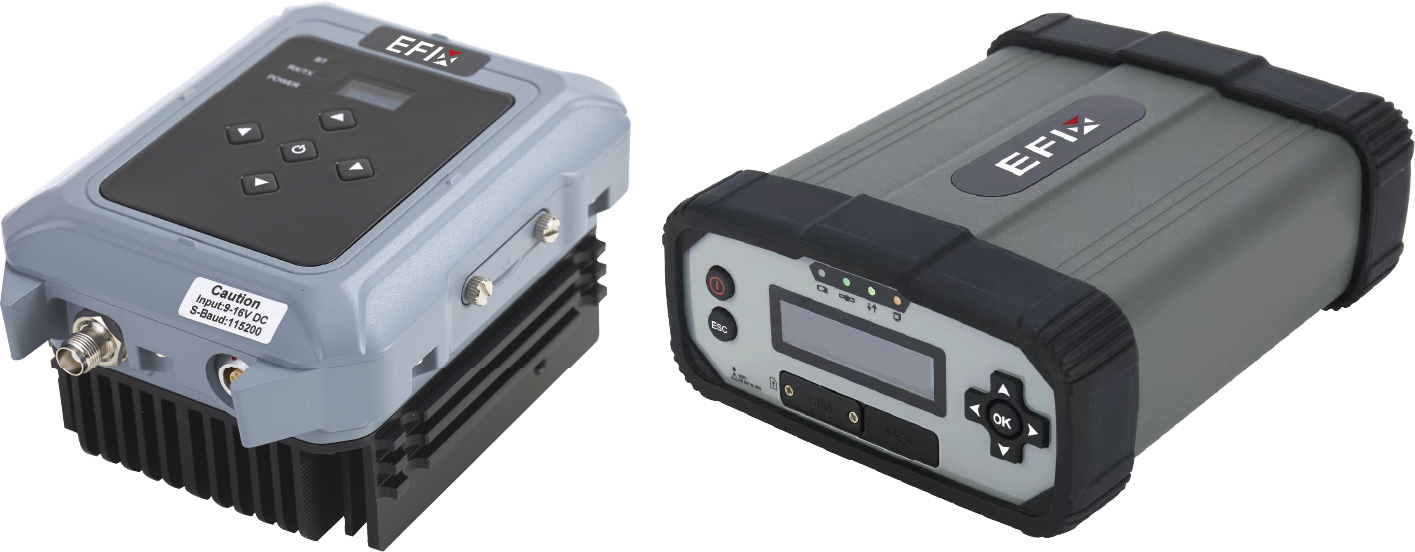
Let’s face it — while traditional GPS systems have served well, their inadequacies become glaring under certain conditions. I recall a project I was involved in a few years back, where we depended on standard GPS for a construction site. During heavy cloud cover, our measurements distorted significantly. This is where the strength of an RTK base station comes into play. With its ability to relay satellite data instantaneously, it virtually eliminates the downtime caused by interference. And when we talk about applications in agricultural fields, the difference is monumental as farmers increasingly rely on precise data to improve yield.
Are You Ready for Next-Gen Accuracy?
Forward Look: The Evolution of GNSS Technology
As we diverge into the future of positioning services, one cannot overlook the advancements brought forth by GNSS technology. The integration of artificial intelligence has begun to enhance the functionalities of devices like the gnss base station. It’s not merely about improving accuracy anymore; it’s about redefining how we perceive navigation. I firmly believe that as the technology evolves, we’ll witness a shift from just data collection to predictive analytics. The volume of information combined with accurate real-time data will allow industries to forecast better and operate more efficiently.
Real-world Impact: Changing the Landscape
In the great plains of Haryana, for instance, farmers are already adopting RTK systems, seeing an upsurge in productivity. With precision agriculture tools, we can anticipate higher yield per hectare — statistics show a 20% increase in some instances. However, the question remains: are industries adequately prepared for such a leap? The financial implications of seamlessly implementing RTK systems might seem daunting, but the growth potential makes the initial investment worthwhile. We are on the brink of a revolution, where integrating technology isn’t merely a task but an essential strategy.
What Should You Look For?
Evaluating Solutions: Metrics That Matter
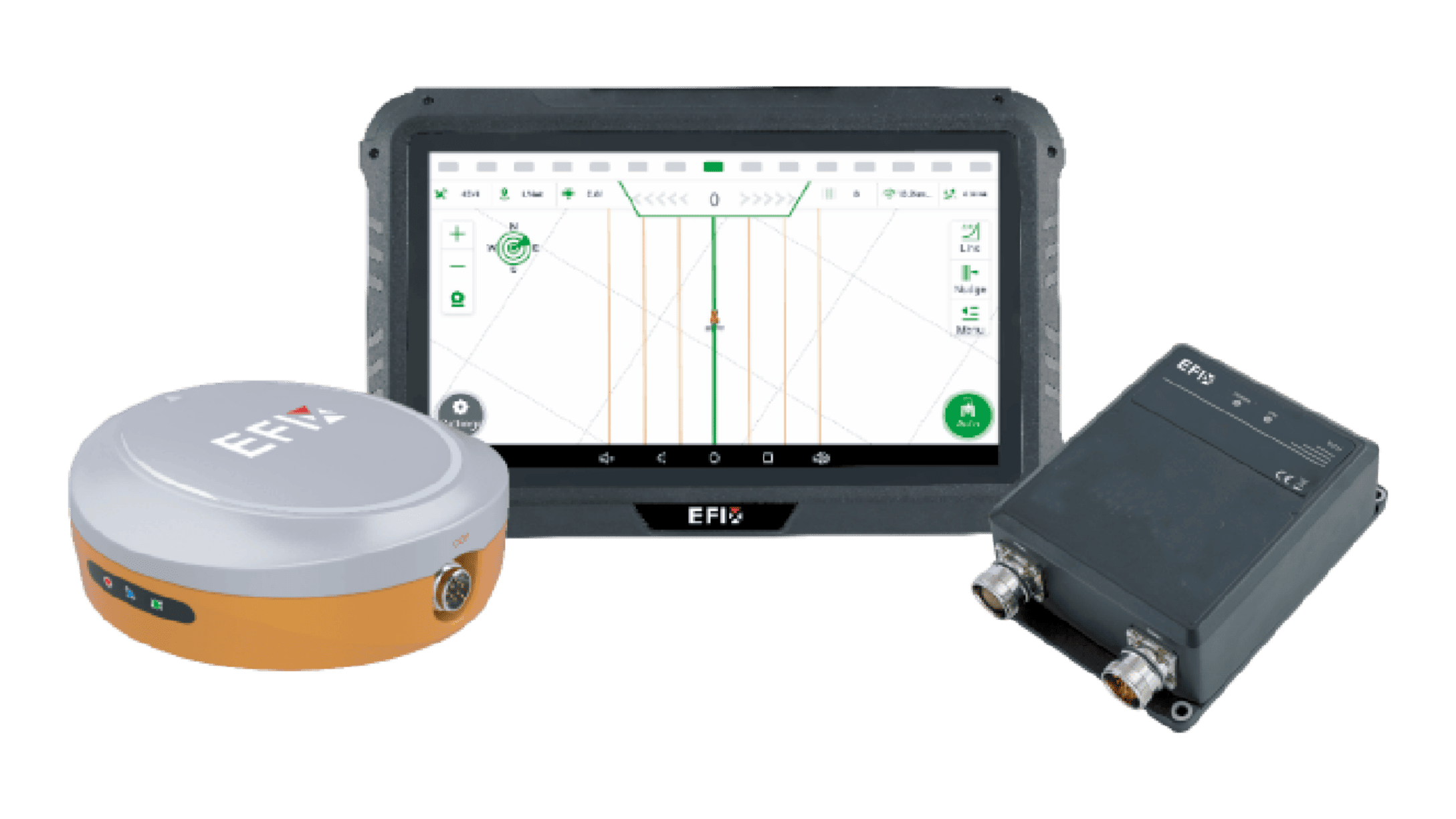
When it comes to selecting an RTK solution, I recommend keeping an eye on three critical evaluation metrics: reliability, support service, and compatibility with existing systems. It’s essential to invest in brands that not only deliver quality hardware but also provide lasting support. My experience with multiple suppliers has shown that the less talked about aspects — like after-sales support — determine long-term satisfaction. What’s more, examining user testimonials can often unveil hidden pain points that glossy advertisements miss.
In conclusion, navigating the intricacies of GNSS technology, particularly with gnss base station advancements, opens avenues for precision in diverse fields. As we embrace these changes, let us remember that technology is only as valuable as the insights it provides. The future is bright if we invest wisely today. For assistance in this evolving landscape, we at EFIX are prepared to guide you.