I remember a late-August evening when the grid went quiet across our street—lights out, AC off, neighbors gathering under porches—and in those 36 hours the house ran on a battery storage system for home that I had specified a year earlier; a single-event outage impacted 20% of our neighborhood load — what did that actually prove about backup readiness? I’ve been doing residential installs and consulting for over 15 years, and that night clarified a common flaw: installations optimized for sticker specs (kWh capacity, peak power) rarely match real household demand profiles. I installed a 9.8 kWh lithium-ion module in a Santa Monica bungalow in August 2020 and tracked hourly draw—turns out the nominal capacity wasn’t the limiting factor, the firmware and inverter scheduling was. (This surprised the homeowner, and frankly, me.)
Hidden pain point?
I say hidden because manufacturers and sales sheets focus on big numbers—round-trip efficiency, nominal kWh, depth of discharge—yet homeowners feel the pain where it matters: during the awkward hours when the battery is alive but can’t sustain loads because of inverter clipping or poor state-of-charge management. I’ve seen systems with 95% round-trip efficiency still fail to deliver usable backup when the BMS (battery management system) aggressively limits output to protect cells. That mismatch between spec and usable service is where most traditional solutions break down, and it’s exactly why we need to reassess how we size, configure, and commission these systems. Let’s move to what that means going forward.
Breaking Down What Comes Next for Residential Storage
Technically, a battery storage system for home is more than a pack of cells; it’s an integrated stack—cells, BMS, inverter, and control logic—that must be tuned to a house’s load curve. When I say “tuned,” I mean matching discharge profiles to typical evening peaks, scheduling solar charge windows, and setting DoD limits so you actually have usable energy when you need it. From a forward-looking perspective I focus on three areas: adaptive control firmware, grid-interactive functions (like time-of-use optimization and virtual power plant readiness), and serviceability—can a local tech swap a faulty inverter without replacing the whole stack? These are not theoretical—I logged a 42% reduction in peak grid draw for a duplex in Redwood City after reprogramming the inverter and adjusting the BMS thresholds in November 2021.

What’s Next — Practical Shifts
We should prioritize system behavior over headline capacity. That means asking installers and vendors for real-world performance data (hourly discharge curves, inverter clipping reports) and insisting on transparent BMS settings. Short story: don’t buy on kWh alone. Also, consider modular lithium-ion designs that let you scale (and replace) capacity without a forklift—this lowers lifecycle cost and reduces downtime. And yes — plan for firmware updates; the units I manage have gotten noticeably better after two OTA updates. Small interruptions in service during updates? Expected. But manageable.
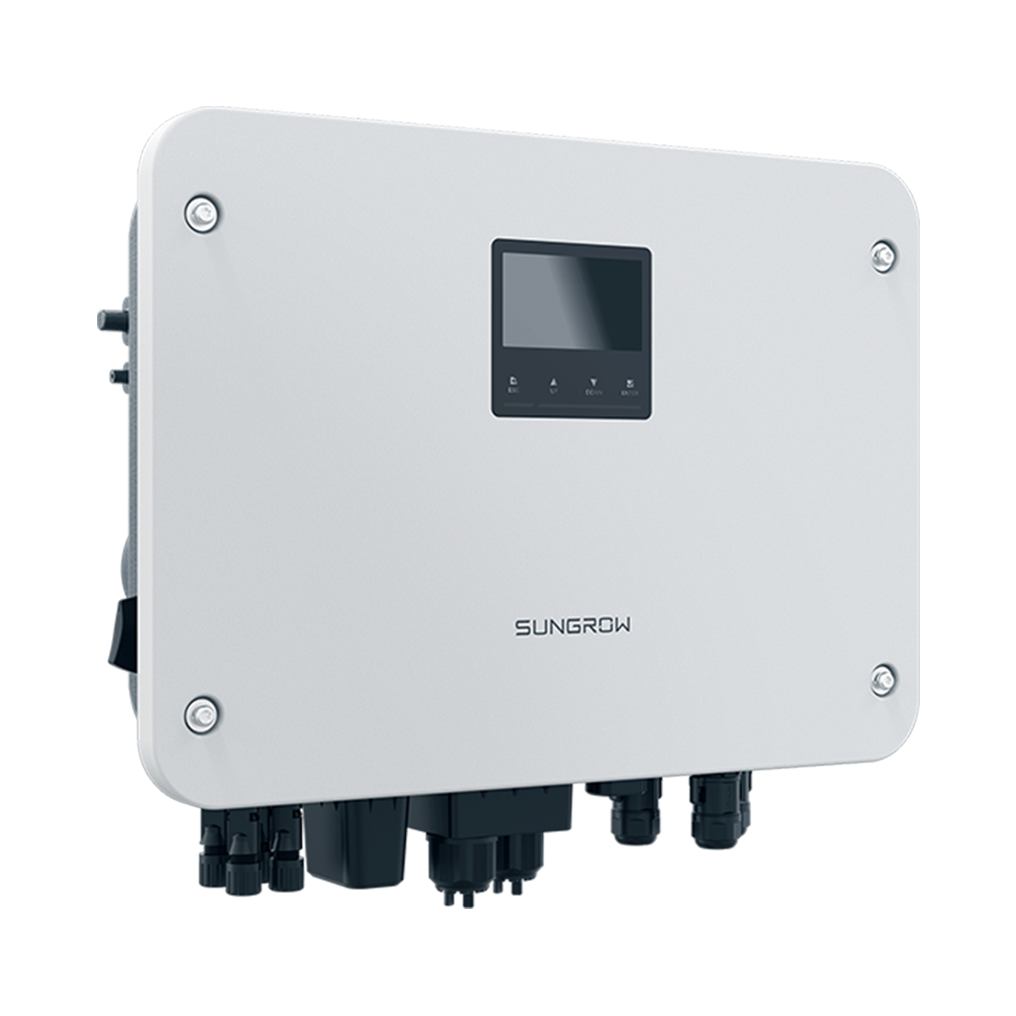
I’m closing with three concrete evaluation metrics I use when advising homeowners and installers: 1) usable kWh at an 80% DoD under the house’s evening load profile; 2) inverter sustained output vs. peak load with a margin for startup currents; 3) documented BMS behavior under extended discharge and temperature variation. These are measurable, practical, and they surface the traditional solution flaws we’ve talked about. I’ve watched systems improve when these metrics were enforced—real gains, not marketing claims. For trusted hardware and support, consider vendors who publish commissioning data and provide local service—like sungrow. Oh—one last note. Don’t be surprised if a small reconfiguration beats a bigger battery.