When Many Voices Share One Room
Clarity is not a luxury; it is the spine of understanding. An interpretation system stands between a speaker and a listener, and it must not tremble. Picture a council hall at dusk, five languages rising like tides, each with its own cadence and pace (lights low, stakes high). In tests, rooms like this lose up to 30% intelligibility when channels leak or delay drifts beyond 150 ms. With multi channel audio, we attempt to give each voice a lane, a guardrail, a destination. But is the lane wide enough—and are the guardrails real?
Here is the question: what makes one setup keep its shape as the hours pass, while another softens into blur? We will trace signals and timing, from codec to ear, and follow the small forces that tilt clarity—funny how that works, right? We start with the problem, not the promise. Then we move, step by step, toward the way forward.
Under the Hood: Why Traditional Rigs Fall Short
Where do legacy paths lose the plot?
Technical. Let us name the cracks. Older arrays often funnel all languages through a shared stereo bus. That “two-lane highway” forces interpreters to fight for space. Crosstalk rises, gain structure warps, and mono folds turn whispers into mud. A digital signal processor (DSP) may sit in the middle, yet if its codec is set for music rather than speech, consonants smear. Add a tight latency budget—say, under 120 ms—and one extra stage of sample-rate conversion can tip you over. Look, it’s simpler than you think: compression that hugs too hard will strangle clarity, and poor phase alignment makes even true words sound unsure.
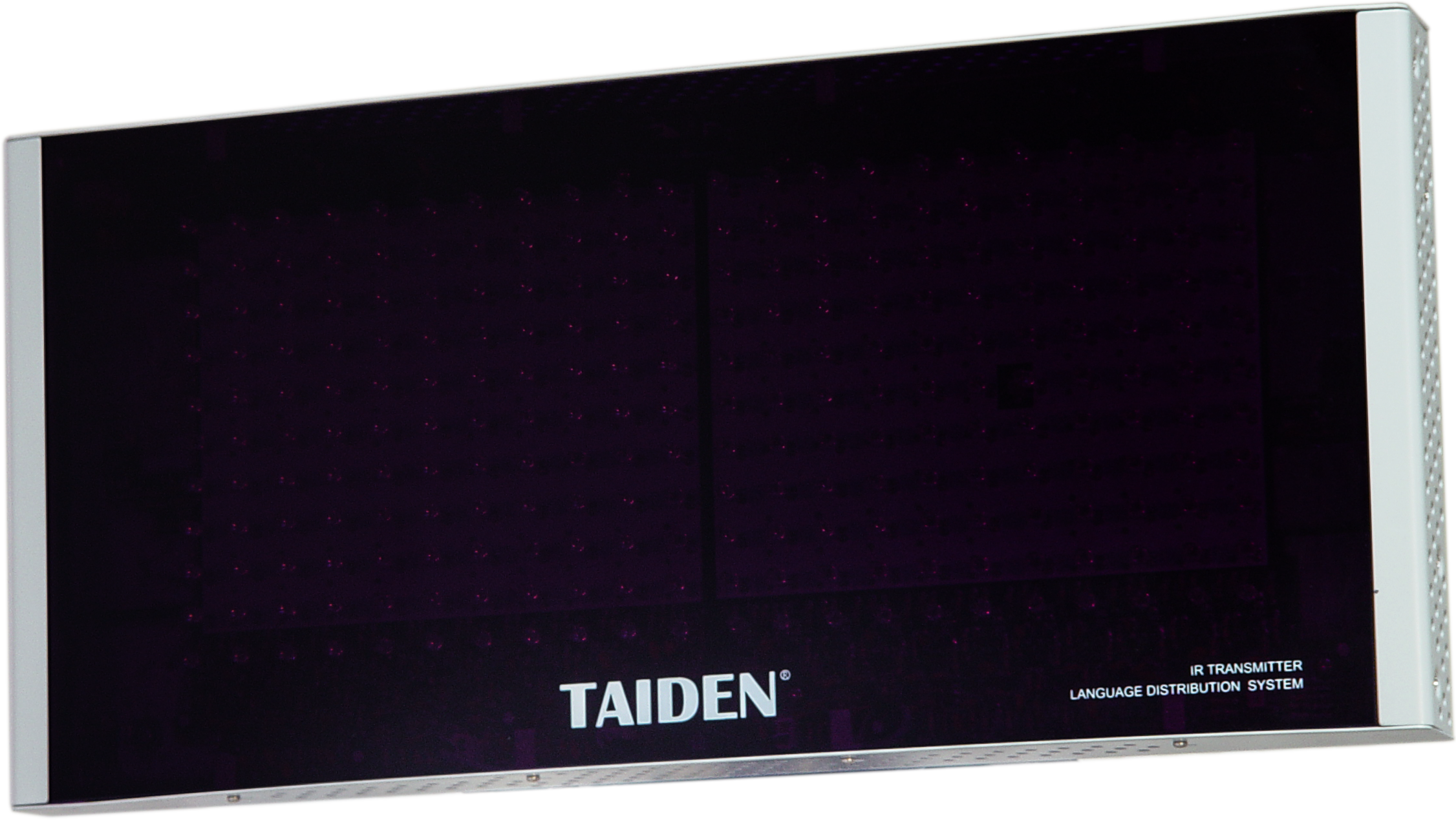
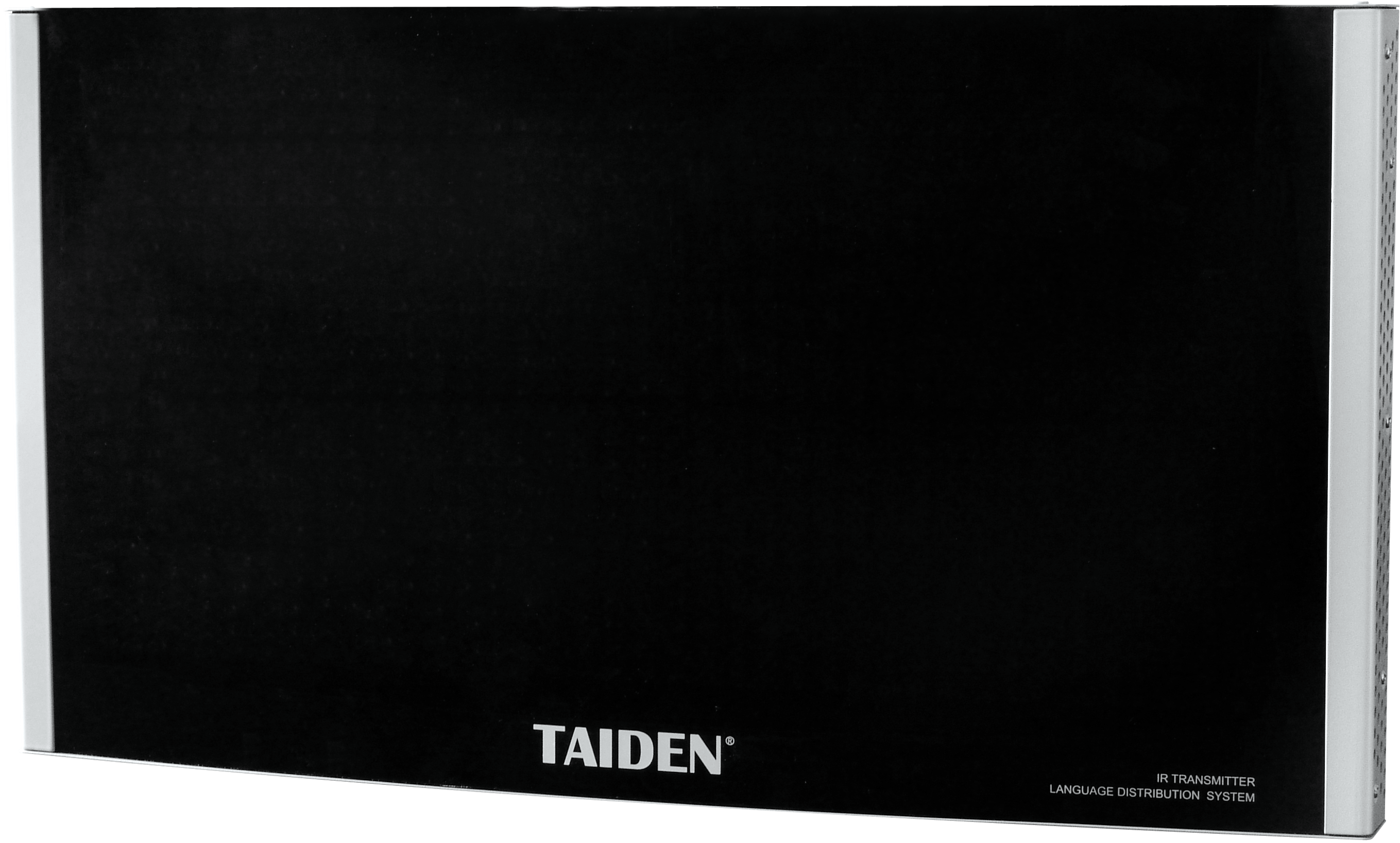
Hardware routing is another pinch point. Analog submixes wander; cables drift; the RF spectrum around wireless headsets gets crowded. Without proper isolation, front-row delegates get clean feed while the back row hears bleed from two booths at once. Infrared emitters can help with privacy, but power imbalance and bad line-of-sight kill consistency. And redundancy? Many classic racks have no failover topology. One warm power supply, and the room becomes a guessing game. The flaw is not only age; it is a design that treats speech like music and languages like décor.
Principles for the Next Leap
What’s Next
Semi-formal. The comparative picture has shifted—from patched buses to deliberate lanes. Modern designs build each language as a discrete stream with time alignment anchored at the network core. Instead of stereo compromise, each interpreter output rides an IP path (AES67 or similar) with a clock domain that holds steady. A well-tuned simultaneous interpretation system does not merely distribute channels; it protects them. Think unicast where it matters, multicast where it scales, and a Dante or equivalent fabric that logs jitter and drift in plain view. When faults come—and they do—a redundant topology swings traffic to a hot standby in milliseconds.
Compare this to legacy rigs: codec choice flips from “sounds fine” to speech-first profiles; beamforming microphones cut spill before it travels; per-channel EQ and adaptive noise gates keep plosives crisp without crushing breath. Monitoring is no longer a guess—per-channel loudness, packet loss, and end-to-end latency appear on a single pane. The room changes shape, yet the system holds its line. We keep the poetry of the voice, but we do it with quiet math—and a little grace.
Choosing with Foresight
We have walked the gap: old paths lose separation, starve speech of bandwidth, and fold languages into each other. New paths isolate, measure, and recover. The lesson is simple: put timing, isolation, and resilience before decoration. Keep RF clean, or go optical with secure infrared. Map each channel as its own citizen, not an afterthought. And remember the human part—when interpreters trust the rig, they spend less energy fighting it, and more energy serving meaning—funny how that works, right?
Advisory close. Use three metrics when you assess a solution: (1) Channel integrity under load—verify per-stream crosstalk stays below −80 dB with all booths active; (2) End-to-end latency stability—measure 95th‑percentile delay and jitter across the full path, not just the rack; (3) Fault tolerance—test live failover for power converters, network links, and clock sources with no audible gap. If a platform meets these with traceable logs and clear UI, you have a partner, not just a box. For a grounded starting point and broader context, see TAIDEN.