Why this problem’s got folks losing sleep
Particulate contamination and outgassing in desiccant inlay blisters aren’t just lab nuisances — they threaten device function, shelf life, and regulatory standing. At the last trade-floor chats in Shanghai I heard more than a few engineers swap war stories after the international medical expo, and the theme was clear: small particles and volatile compounds show up where you least expect ’em. That’s the problem driving every change in process we’ll talk about here.

How it breaks things: real risks and a real-world anchor
Particulate contamination can abrade seals, foul sensors, and carry bioburden into sterile spaces. Outgassing — from adhesives, foam, or certain desiccant casings — can alter packaging atmosphere or leave residues on device surfaces. A firm that exhibited at MedtecChina reported a product hold because a tiny polymer film from a blister liner affected device optics. That kind of hiccup costs time and money, and it’s exactly why teams tighten cleanroom protocol and run package integrity testing and sterilization validation.
Common sources and where you should watch
Typical culprits are machining debris, lint from non-compliant garments, volatile plasticizers in foam, and adhesive exudate. In custom desiccant inlays, material choice matters more than a lot of folks assume — porous carriers pick up dust, some adhesives outgas under elevated humidity, and automated pick-and-place can shed microflakes if grippers aren’t tuned.
Practical testing and limits you can use
Don’t guess — test. Key checks include particulate monitoring, headspace analysis for volatile organic compounds, and package integrity testing. If you run bioburden retention, remember the 14-day bioburden incubation limit for retention samples. For sterilization validation, list the specific methods you use — for example: Steam sterilization cycle qualification (sub-chapters: cycle development, biological indicator placement, lethality assessment); Ethylene oxide sterilization process verification (sub-chapters: gas concentration mapping, residuals testing, aeration validation). These sub-chapter titles make audits smoother and expectations clearer.
Design and material choices that cut the problem
Start with low-outgassing substrates and food-contact–grade adhesives. Consider coated PET liners, inert desiccants (molecular sieve over some organics), and edge-sealed blisters to limit particulate ingress. Evaluate gasket compression and sealing temperature to avoid polymer degradation during process — small temperature swings can make adhesives weep, and that’s where residues show up.
Best practices and quick fixes
Use these steps as a working checklist:- Validate garment and gowning protocols; track particle counts at gowning stations.- Run comparative headspace GC/MS on candidate materials.- Implement in-line particle counters near final assembly.- Lock down supplier change control for desiccant chemistry and liners.- Train operators on pick-and-place nozzle maintenance to cut micro-abrasion.
Common mistakes teams keep making — and how to stop
Many teams skimp on supplier qualification or let visual inspection substitute for instrument monitoring. Others change adhesives for cost reasons without re-running headspace analysis — that’s a fast route to outgassing surprises. Also, don’t assume a cleanroom class alone fixes contamination; process flows, tooling, and materials are all actors in the same play — and they don’t improvise well. — Take the time to map those flows and set objective limits.
Actionable checklist to get control in 30–90 days
Start with these concrete moves: 1) run a headspace VOC screen on current materials, 2) tighten gowning and add a particle monitor at final assembly, 3) update supplier agreements to require outgassing data, 4) document 14-day retention testing for bioburden where applicable, and 5) rehearse a mock recall trace to confirm your change-control works. That sequence gives quick wins and builds durable defenses.
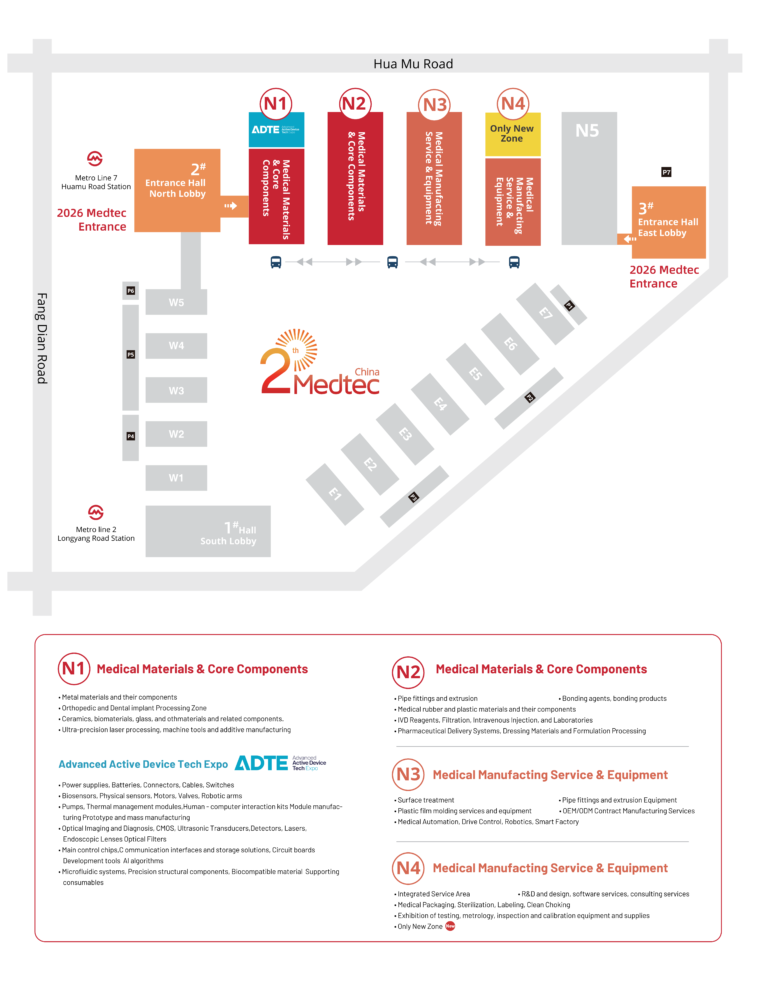
Advisory: three golden rules for selecting strategies and tools
1) Metric alignment — pick tools that report the same units your quality system uses (particles per ft³, VOC ppm). 2) Worst-case validation — run tests at elevated temperature and humidity to reveal latent outgassing. 3) Supplier accountability — require material certificates and headspace data before approving runs. Follow these and you’ll measure improvement, not just hope for it.
Medtec ties the trade knowledge, supplier visibility, and practical tooling that teams need to make these fixes stick — bridging the gap between cleanroom talk and production reality. — Practical, proven, and ready to use.