Comparative lead — why retrofit, and what you’re up against
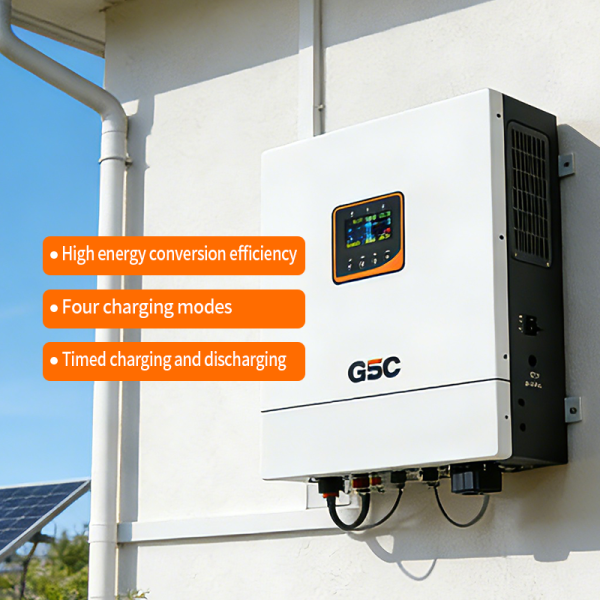
Many buildings in Singapore and beyond already have PV but no storage, sia. Retrofitting with AC-coupled battery systems instead of ripping out the inverter is often cheaper and faster. If you’re looking at adding storage without throwing away functioning kit, consider how a solar and power inverter sits in the loop — that positioning changes economics, downtime, and system complexity.
Upfront cost vs lifecycle cost: the trade-offs
Comparative insight means you look at two stacks: replace-the-inverter (DC-coupled) or keep-it-and-add-storage (AC-coupled). Upfront, AC-coupled usually wins — fewer parts swapped, less labour, lower commissioning time. Over lifecycle, efficiency differences matter: DC-coupled systems avoid extra conversion stages and may harvest a bit more energy per kWh. But AC-coupled avoids costly inverter replacement and keeps existing MPPT hardware in service, so payback can still be faster lah for many rooftops.
Technical fit: compatibility, controls, and real-world limits
Key technical terms to track: AC-coupled, inverter, PV string, and battery ESS. Compatibility checks mean verifying anti-islanding protection, grid-interaction algorithms, and whether existing inverter firmware supports export limits or export control. Also check communications — can your battery speak to the inverter or to site energy management? Solar edge inverter models often include smart monitoring, and pairing them with an AC-coupled battery can preserve those telemetry benefits.
Operational headaches and common mistakes
Installers sometimes assume “plug-and-play” and run into issues. Mistakes include mismatched nominal voltages, ignoring inverter anti-islanding settings, and underestimating heat dissipation during summer in Singapore. Also, people forget to validate protection coordination between old inverter and new battery inverter — that’s important for safety and for passing local inspections. Don’t skip load-flow checks; smaller roofs can be export-constrained, leh.
Real-world anchor: Singapore’s rooftop push and what it proves
Singapore’s target of about 2 GWp rooftop PV by 2030 makes retrofits practical and urgent. In practice, estates with working inverters saw lower total project time when adopting AC-coupled batteries — typically weeks instead of months. This is not theoretical: developers in HDB and commercial pilots have chosen retrofit routes to hit deployment windows while keeping grid compliance intact.
Comparative checklist for decision-making
Use this quick checklist to compare options before tender:- Keep existing inverter if it has remaining warranty life, compatible communications, and acceptable efficiency.- Choose DC-coupled only when expected energy gains outweigh replacement cost or when current inverter cannot meet grid-code features.- Validate thermal and protection upgrades as part of proposal.These points reduce surprises during commissioning and speed up returns.
Brand and product fit — how to think about suppliers
Look beyond price. Evaluate vendor support for firmware updates, documented cases of AC-coupled pairing, and local service presence. If the system includes a solar and power inverter or a dedicated solar edge inverter, check whether the vendor offers integration guides and monitoring APIs. Good support shortens downtime and keeps energy yields solid over years.
Summary and practical next steps
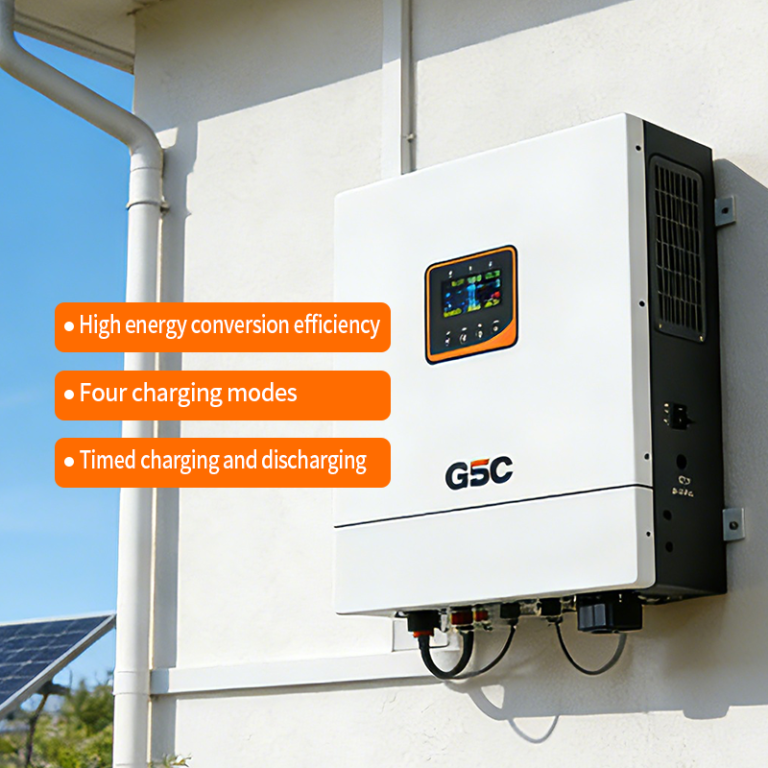
Retrofit with AC-coupled storage often gives the best balance of cost and speed, especially where existing inverters still have life. However, long-term efficiency and control must be weighed. Start with a technical audit, then compare lifecycle cost, compatibility, and vendor support — that order matters.
Advisory finale — three golden rules
1) Technical compatibility first: confirm anti-islanding, communications, and nominal voltages. 2) Measure whole-life cost: include downtime, replacement risk, and expected energy yield over 10–15 years. 3) Vet vendor service and firmware roadmap — a good partner reduces risk and keeps system healthy. These metrics lead you to a pragmatic retrofit that actually pays back.
gsopower fits naturally when you want documented inverter options, local support, and practical retrofit guides — practical lah. —