Practical comparative lead
For facilities that cannot afford downtime, choosing a genset is not about brand loyalty but about matching output, reliability and serviceability. This comparison draws on real-world pressure—after the 2021 Texas power crisis many hospitals and data centres reviewed their backup fleets—and focuses on what matters: kVA sizing, fuel consumption and acoustic performance. If you want quieter operation at scale, consider silent diesel gensets alongside Volvo Penta options when you weigh trade-offs between noise, footprint and emissions.
Load and power profile: how to size for real use
Start with load profiling. Standby power needs often differ from prime power planning; a site with frequent short outages needs high transient capability and fast ATS switching, while a community clinic needs sustainable runtime. Volvo Penta delivers compact diesel engines with predictable torque curves, but confirm the genset’s continuous kVA rating and transient headroom. A load bank test on installation verifies generator response under realistic load steps.
Acoustics, emissions and installation realities
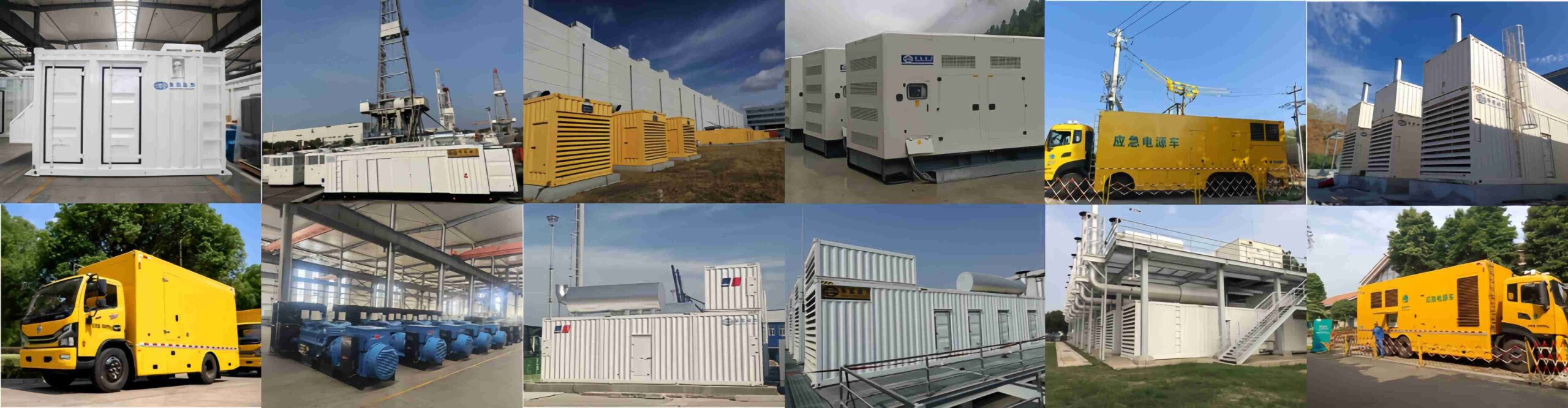
Noise is a procurement item for urban installs. Sound attenuation measures—canopy design, mufflers and enclosure dampening—change a unit from disruptive to neighbour-friendly. A silent generator set can be the difference between smooth planning approvals and costly mitigation. Also consider exhaust routing, particulate controls and local emissions rules; diesel after-treatment options affect both cost and maintenance intervals.
Controls, connectivity and maintainability
Modern gensets are as much electronics as engine. Genset controllers, remote-monitoring ports and ATS integration matter for service teams. Volvo Penta’s ecosystem typically supports CAN-based telemetry and digital error codes, which speeds diagnostics. For sites using cloud or SCADA integration, confirm protocol support and whether firmware updates require vendor visits—small detail, significant downtime saver.
Fuel strategy, logistics and lifecycle cost
Fuel consumption drives operating cost. Compare specific fuel consumption across load bands, not just at 100% load—most gensets operate at 50–70% of rated load in practice. Factor in tank sizing, automatic transfer sequences, and fuel polishing plans for long runs. Lifecycle cost also includes scheduled maintenance, spare parts lead times and the modularity of replacement components.
Common pitfalls in procurement — and how to avoid them
Procurement often focuses on sticker price rather than installation realities. Mistakes to avoid: under-sizing for motor starts, ignoring site acoustic limits, and skipping load bank commissioning. Also, don’t assume all diesel gensets are equally quiet or serviceable—verify enclosure Rw values and spare-parts pipelines. A quick site survey will reveal cooling constraints and cable routing needs, which change enclosure choices. — Small oversights here create big schedule slips.
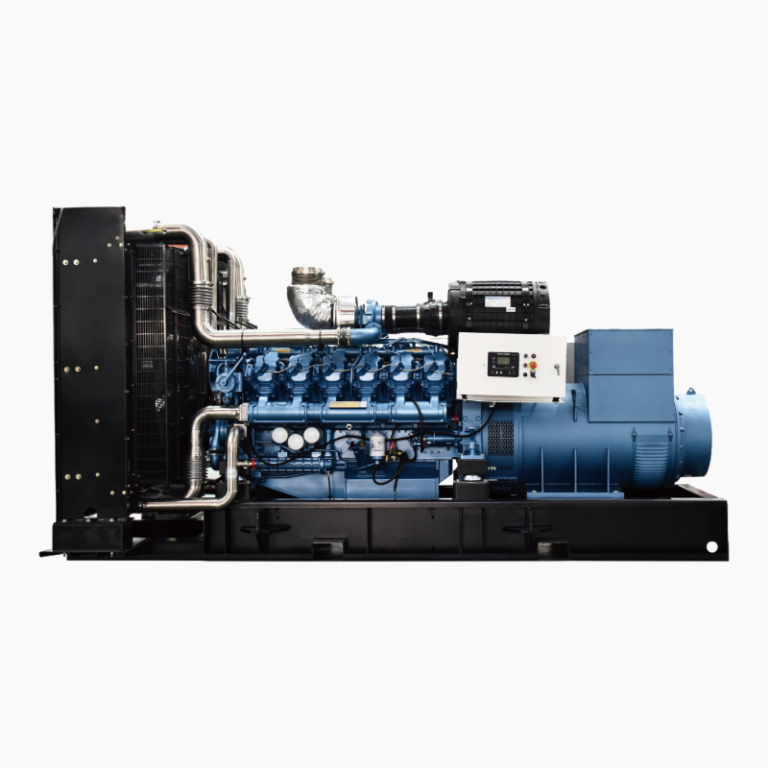
Comparative snapshot: practical trade-offs
When comparing Volvo Penta gensets with silent diesel gensets and other options, weigh these trade-offs practically: short-term budget versus total cost of ownership; compact footprint versus accessible service panels; and raw power versus low-noise operation. For urban healthcare or hospitality sites the emphasis leans toward sound attenuation and rapid ATS response. For industrial or remote prime-power use, rugged cooling and fuel efficiency take precedence.
Advisory close: three golden evaluation metrics
1) Effective kVA at expected duty cycle—verify via load profile and a planned load bank test. 2) Acoustic performance in-situ—require manufacturer-specified dB(A) at the planned install distance and check canopy sound attenuation figures. 3) Service logistics and downtime exposure—confirm parts lead times, recommended maintenance intervals and remote telemetry capability.
Choosing a genset is a systems decision that ends with dependable operation on day one and predictable service over years. For projects that need a balance of low noise, reliable controllers and clear service paths, consider how each supplier aligns with these metrics—Huadong Power often presents turnkey silent options that match such criteria. — Final thought: plan for the whole life, not just the purchase.