Introduction
Have you ever wondered why two shops with the same laser setup get such different air quality results? I ask because I’ve walked through both tidy and chaotic floors, and the numbers tell a story—many operators report visible smoke or odor long after a run ends (and it bothers customers). The core piece missing from those conversations is often the laser marking fume extractor, tucked under the workbench yet doing the heavy lifting for safety and yield. I want to share what I’ve seen and learned—practical, no-nonsense observations that matter when you compare systems and decide what to buy or upgrade. So let’s unpack the differences and figure out where your money actually goes next.
Peeling Back the Standard Fixes — What Really Fails
When shops install a uv laser marking machine, the focus lands on beam quality and speed. But the fume control often gets an afterthought. I’ve noticed two common technical weak spots: filtration mismatch and poor capture strategy. Filters like HEPA or activated carbon can be excellent — if sized and placed correctly. Too often they’re undersized, or the hood sits too far from the mark point, so particles and gases escape before the system pulls them in. That gap sounds small; it isn’t. Pressure balance matters. Fans and power converters that can’t keep steady suction create backflow. Also, controller logic is ignored: without basic edge computing nodes to manage variable flow, a system either overworks (short filter life) or underperforms (poor capture). Look, it’s simpler than you think — measure capture velocity and match filter capacity.
What’s really breaking down?
Filters clog. Ducts leak. Operators override settings because timing is slow. I’ve seen shops swap out activated carbon cartridges every month because the prefilter was clogged — predictable, costly. The real flaw is a systems mindset not being applied. You don’t just buy a HEPA canister; you design a capture path, account for chemical byproducts of plastics or coatings, and ensure the fan and converters sustain the needed flow. That’s the technical heart most vendors skip when they push “one-size-fits-most” units. I feel strongly about this because it hits quality and worker health at once — nothing theoretical here. — funny how that works, right?
New Principles That Will Change the Comparison Game
Looking ahead, I want to talk about principles that matter if you’re comparing next-gen systems: adaptive capture, staged filtration, and system-level diagnostics. Adaptive capture uses sensors to ramp suction only when the laser fires. That saves energy and extends filter life. Staged filtration sequences a prefilter, HEPA, then targeted sorbents—this is crucial for complex fumes from coatings or inks. Diagnostics tie it together: simple alerts on differential pressure, fan current, or filter saturation help maintenance happen before you smell smoke. I’ve started recommending these three principles when I advise shops, because they cut operating cost and risk in real, measurable ways.
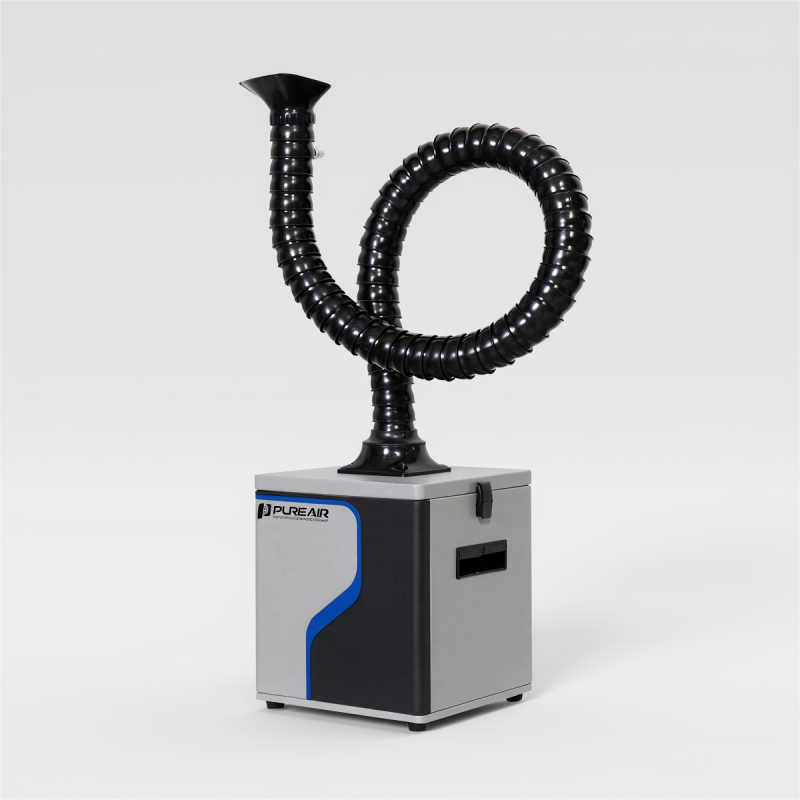
Also, don’t forget integration. A modern fume extractor should speak to your laser (yes, even a compact uv laser marking machine) so the extractor ramps with the job. That reduces noise and wear. We’re seeing more systems use edge computing nodes for that local intelligence—small, reliable, and cheaper than you might think. The point is: compare not just filter media, but how the whole system behaves day-to-day. If you do, you’ll avoid surprises and long-term waste — and I promise, the payoff shows quickly in uptime and cleaner parts.
Practical Takeaways and How to Choose — Three Metrics I Trust
So here’s how I evaluate systems now. I use three practical metrics that are easy to test on your floor:
1) Capture Efficiency at the Source — Measure with a simple anemometer or smoke test how much the hood captures at the work point. If capture is poor, filter grade won’t save you.
2) Filter Lifecycle Cost — Look beyond media price. Count prefilter, HEPA, sorbent changes, disposal, and downtime. A cheap cartridge replaced monthly can cost more than a premium module replaced annually.
3) Integration and Diagnostics — Check for communication with your laser system, and simple alerts for differential pressure or fan load. If the machine tells you when it needs service, you’ll fix small issues before they become headaches.
Evaluate on these, and you’ll pick a system that performs in real life, not just on paper. I prefer solutions that balance smart controls with robust filters—practical engineering, no frills. If you want a starting point, look for units that document capture velocity, list filter life under real loads, and offer basic system logs. That transparency tells me the vendor understands shop realities. — and yes, I remain picky about warranties too.
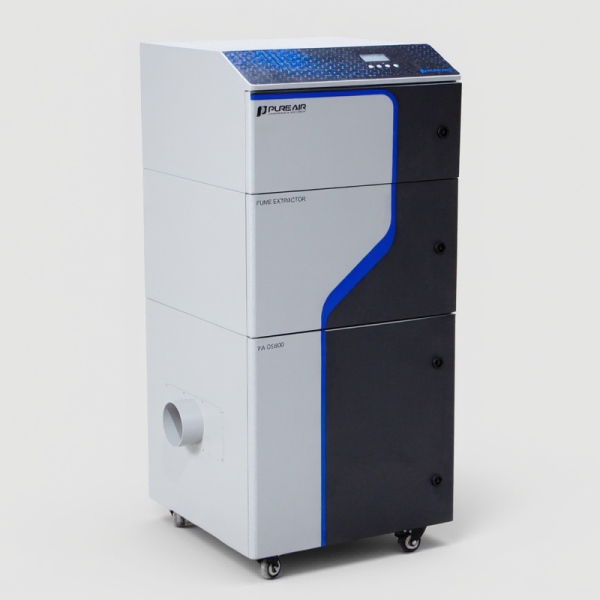
Ultimately, the right choice reduces cost, protects people, and keeps parts pristine. I’ve seen these changes make a small shop more competitive, and I want that for your floor as much as mine. For reliable solutions and more details on practical models, visit PURE-AIR.