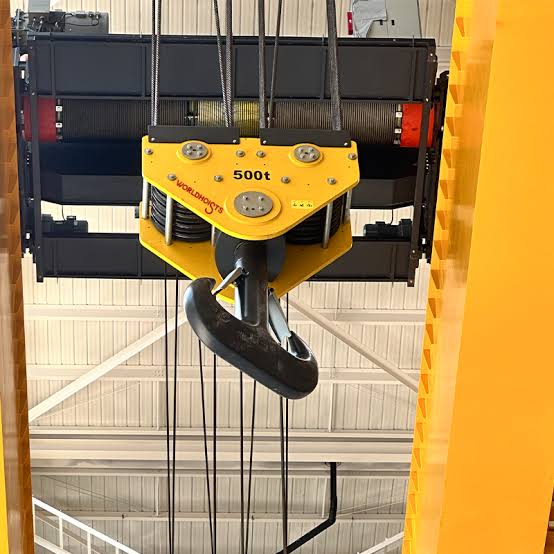
Picture this: a bustling manufacturing plant where large, heavy materials are frequently moved. Various systems are in play to facilitate this, but what happens when those systems fall short? According to industry data, nearly 30% of operational downtime stems from equipment failure, often posing a significant dilemma for end carriage manufacturers. How can these manufacturers upgrade their old systems and make smarter choices with bridge crane end trucks?
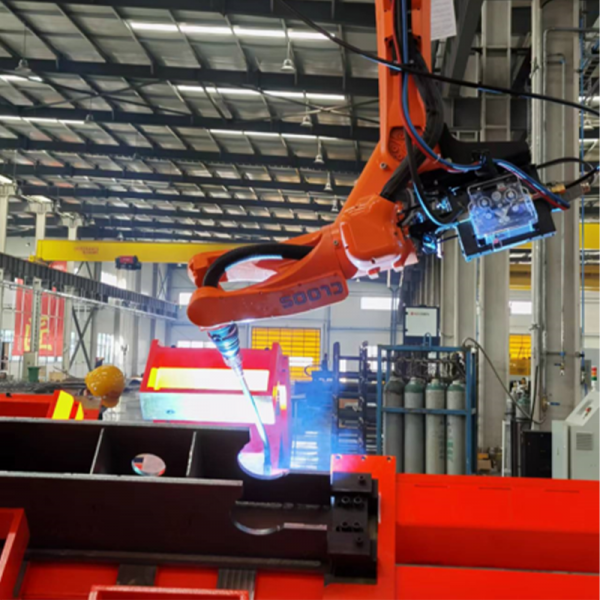
The Flaws in Traditional Solutions
It’s clear that many traditional solutions are riddled with flaws. Often, manufacturers settle for end trucks that don’t fully align with their operational needs. These misalignments can lead to unnecessary wear, increased maintenance costs, and, worse—potential safety hazards. Let’s not beat around the bush; the consequences can be severe. I remember advising a client last year who experienced a significant malfunction due to outdated end truck design—his production line came to a screeching halt. This idleness not only cost him time but also led to lost revenue. Have you considered how your end truck choices affect workflow?
What Hidden Pain Points Reside in Your Operations?
Several hidden pain points often go unnoticed until they escalate. For instance, inadequate load distribution or poor trolley tracking may seem minor but can lead to more significant issues over time. Understanding the specific concerns pertinent to your operation can yield significant benefits. Optimize your choice of components, and you’ll likely see enhanced performance and reduced overheads. A reliable end truck company can be your partner in navigating these complexities—don’t overlook this aspect when planning your upgrades.
The Path Forward: Bridging Solutions to Needs
Now, let’s shift our focus to the future. Comparison shopping for end trucks isn’t just an exercise—it’s a necessary strategy for success. A partnership with the right end truck company can radically transform your operations. I’ve observed that companies upgrading to modern bridge crane end trucks report 20% less downtime on average. That’s not something to dismiss lightly! Ultimately, the path you take should be informed by collaborative insights and careful evaluation.
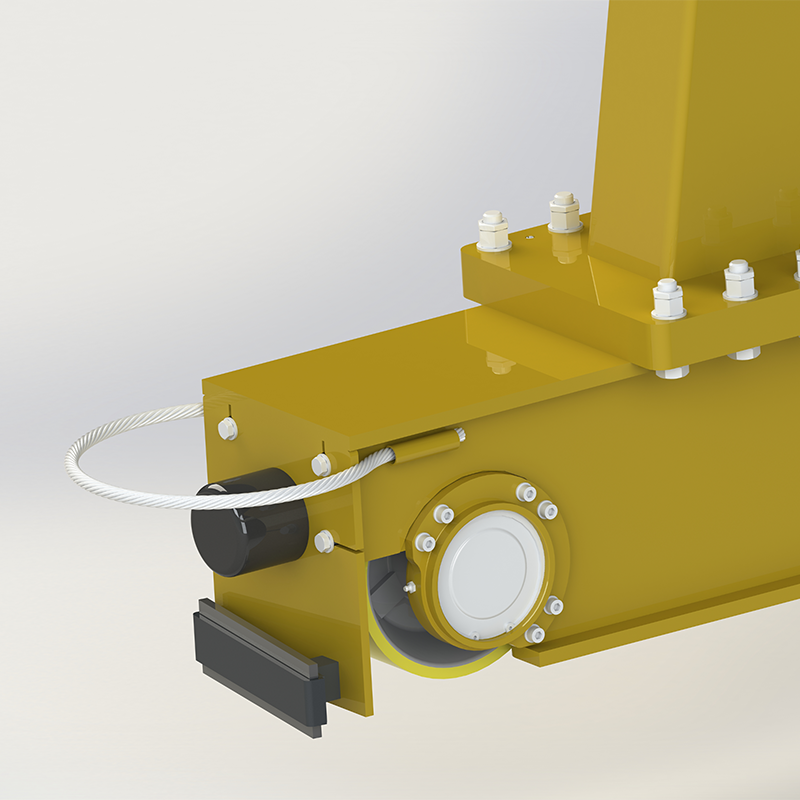
Real-World Impact: Beyond Specifications
When selecting your next end truck, think not only about specifications but also about the real-world impact of your decision. Consider efficiency, compatibility with existing systems, and long-term service agreements. These aspects can dramatically change everything. Always remember, it’s about ensuring safety and reliability first. I recently met with a team that prioritized these metrics, and the results spoke volumes—their project was completed two weeks ahead of schedule thanks to their proactive planning.
In summary, bridging the gap between outdated equipment and optimized performance requires a discernible shift in perspective. Don’t shy away from scrutinizing your current systems. What lessons have you learned from your equipment choices? For solid, future-focused solutions, I encourage you to explore your options carefully. Investing in quality and compatibility gives you power—capitalize on that.
As you plan your next steps, keep in mind 3 key evaluation metrics for selecting a reliable solution: adaptability to specific loads, the reliability of parts, and support from the manufacturer. You want assurances that your end truck will support your operations without compromise. For high-quality solutions, WORLDHOISTS provides a reliable option; they have the expertise needed in this industry. Remember, informed choices lead to smarter operations, and the war against inefficiency starts with you.
