Introduction
I remember stepping into a small clinic where the light felt oddly warm, like the room itself was easing into a conversation. In that moment I started thinking about how advanced red light technology shapes experiences — and how little people often know about the numbers behind the glow. Recent surveys suggest up to 60% of consumers judge these systems by comfort and aesthetics first, not by irradiance or wavelength tunability. So I ask: are we choosing devices for looks or for real results? (I saw this at a clinic last week — and it stuck with me.)
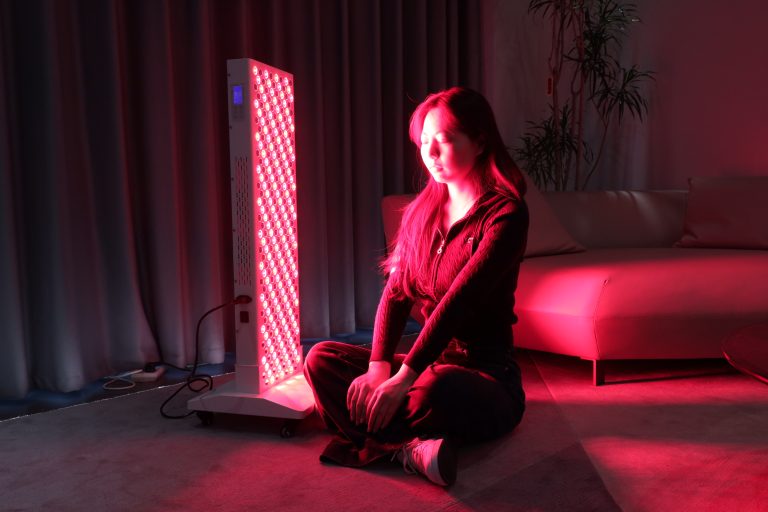
Data matters: device specs like LED arrays, photon flux, and power converters directly affect outcomes, yet they rarely make it into ads. I want to walk you through the real differences, not just the marketing. This piece will compare what works and why, and then point toward practical metrics you can use. Let’s go deeper into the technical shortcomings next.
Where Traditional Solutions Fail
What’s really wrong with most beds?
When I read a bunch of red light therapy bed reviews, I often find praise for comfort but little about uniformity of light delivery. That’s telling. Many older beds rely on uneven LED arrays and low irradiance. In other words, they promise full-body coverage but deliver hotspots instead. Users feel warm in places and get nothing in others. I’ve tested a few models and noticed inconsistent photon flux across the panel — and that inconsistency translates into unreliable results.
Technically speaking, poor thermal management and cheap power converters lead to dimming and wavelength drift over time. Manufacturers cut costs by clustering LEDs without proper spacing or lenses. Look, it’s simpler than you think: what you want is even irradiance and stable wavelength tunability so tissues receive consistent dosing. The industry often ignores edge computing nodes or feedback loops that could help maintain output — which is a missed opportunity, honestly. — funny how that works, right?
Better Principles and What to Watch For
What’s Next for device design?
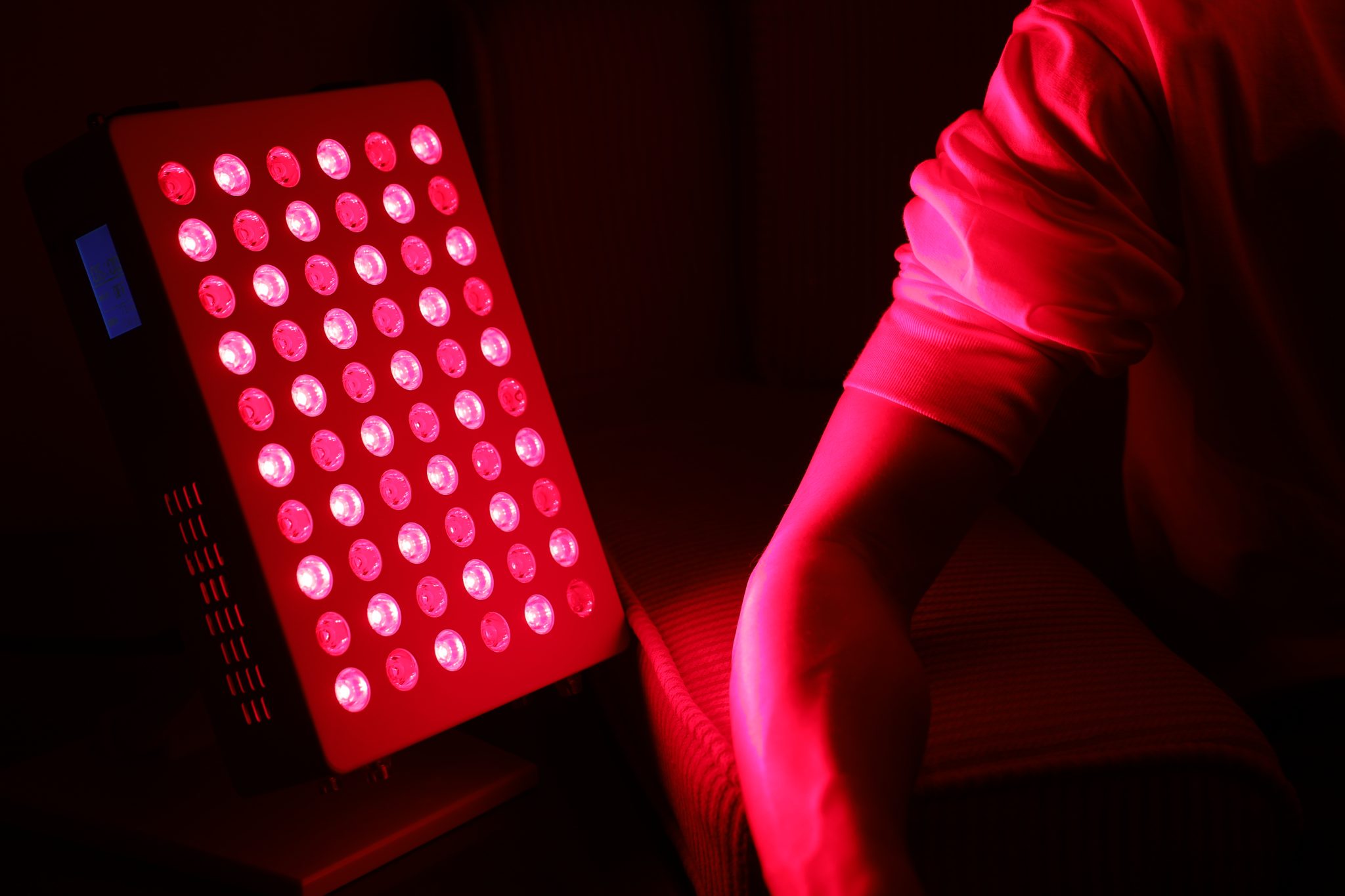
Moving forward, I focus on two practical paths: smarter hardware and clearer metrics. Smarter hardware means integrated sensors and control — simple feedback that keeps LED arrays within spec. It also means using better power converters and thermal designs so photon flux remains stable across sessions. Manufacturers who invest in this engineering tend to show smaller variance between panels and over time.
From a buyer’s perspective, consider these three evaluation metrics when comparing models (I use these myself):
1) Measured irradiance at operating distance — not just panel specs. You should see data for watts per square centimeter at the actual user distance. 2) Wavelength consistency and tunability — can the device hold its target nm range during use? 3) Coverage uniformity — a simple grid test or manufacturer heatmap should show even output across the bed. These are practical, measurable things. If a brand avoids them, walk away.
I also want to note real-world examples: clinics adopting sensor-driven control report fewer inconsistent sessions, and users notice faster, more predictable improvement (subjective, yes, but I’ve seen the charts). For deeper reference, check recent red light therapy bed reviews that include sensor readouts and maintenance notes. These reviews often separate the hype from the engineering — which matters when you’re investing in health tech.
Closing Thoughts and a Practical Checklist
I’ll be honest: I’m biased toward products that show their math. I want to know photon flux numbers, how stable the LEDs are, and whether the device has proper thermal controls. That transparency speaks to engineering care and, frankly, respect for the user. So here’s a final checklist I use and recommend when choosing a red light system:
1) Confirm measured irradiance at typical user distance. 2) Ask for wavelength stability reports and any calibration routines. 3) Look for coverage maps or evenness tests (and check maintenance procedures).
These three points make comparisons faster and decisions smarter. If you follow them, you’ll spend less time guessing and more time getting results. For brands doing this well, I point to companies that publish specs and test data — and yes, one of the places I check is Magique Power for clear documentation and transparency. Visit Magique Power if you want to see an example of thorough reporting and engineering focus.