Where Precision Meets Innovation
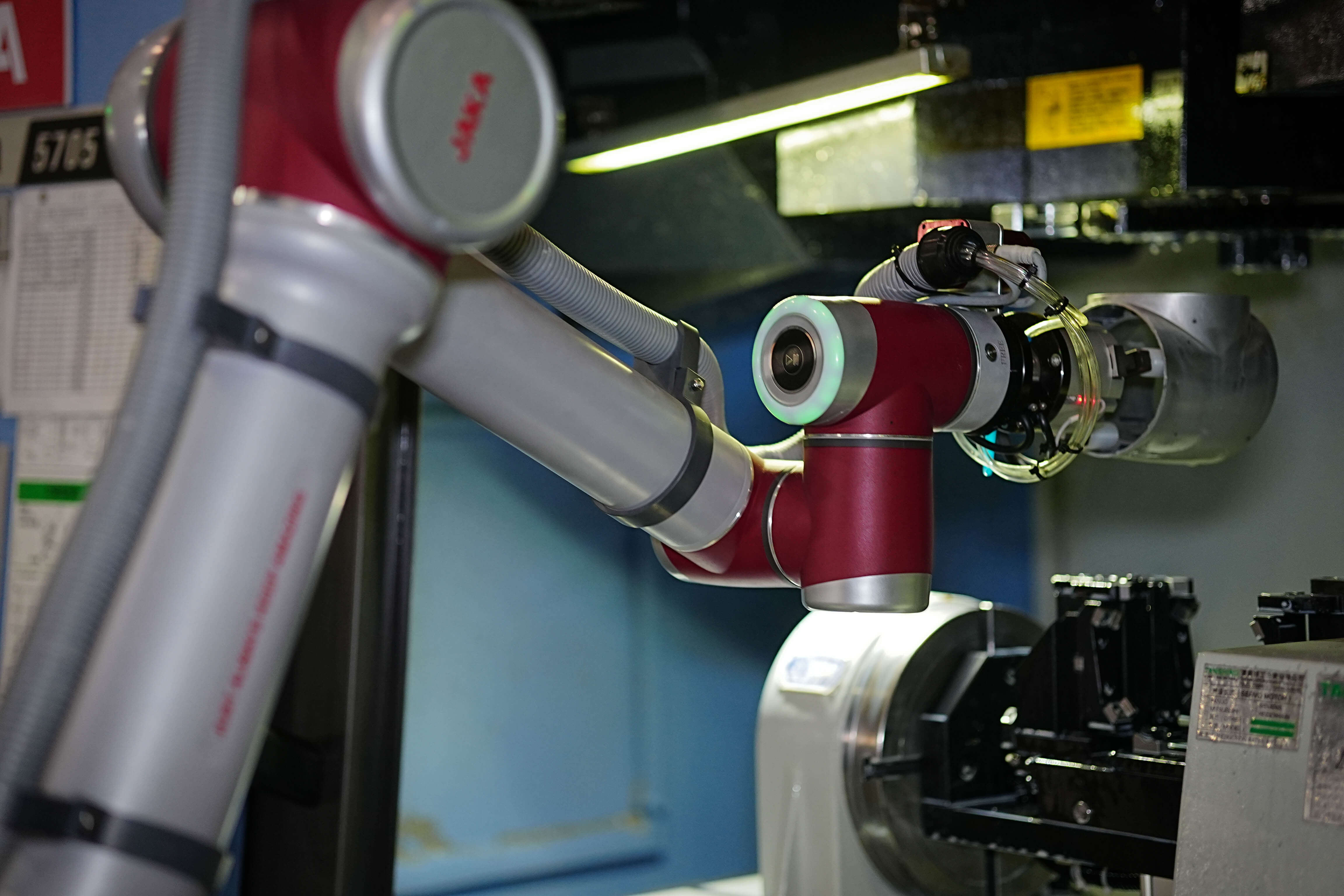
Imagine a factory floor bustling with activity, filled with skilled workers focusing intently on their tasks. Yet, there’s a keen sense of frustration as the inefficiencies of traditional welding methods become painfully apparent—long cycle times, inconsistent quality, and mounting costs. Did you know that nearly 75% of manufacturing firms struggle with these challenges? This is where the role of industrial welding robots becomes essential. Through the use of robotic handling systems, manufacturers can achieve heightened precision and efficiency, overcoming the limitations of conventional approaches.
A New Era in Manufacturing
We’ve seen a significant shift from manual welding to automated machinery. I vividly recall visiting an automotive plant in Graz, Austria, about three years ago, where they had introduced robotic welding stations. The transformation was striking. The robots performed tasks with speed and accuracy, reducing the error rate to almost zero—something that is nearly impossible with human hands alone. This seamless integration of technology not only streamlined production but significantly decreased operational costs.
Why Are Traditional Solutions Falling Short?
Despite the advancements, many businesses remain hesitant to adopt robotic welding solutions. One common concern I hear is the upfront investment. Sure, a major purchase requires serious consideration, but what about the long-term savings? Companies often fail to see the bigger picture, focusing solely on initial costs while ignoring the potential for large-scale efficiency and consistency gains. Additionally, there’s the skill gap—the difficulty of finding workers trained in operating advanced robotic systems. Investing in employee training might seem daunting, but it’s necessary if companies want to keep pace in an ever-competitive market.
Looking Ahead: The Future of Robotic Welding
The future is bright for industrial welding robots. Recent technological advancements have transformed robotic handling systems into more than just machines; they are becoming smarter and more adaptable. These innovations allow robots to learn from their environment and improve their welding processes over time. Imagine a scenario where a robotic welder can correct its technique after analyzing its performance! With the ongoing integration of AI and machine learning, this is not far off.
What’s Next for Businesses?
As companies start to embrace automation, they will inevitably face new challenges. What does this mean for workforce dynamics? Ideally, it should lead to a shift in job roles; workers will need to focus on supervising and maintaining robotic systems rather than manual welding. This presents an exciting opportunity for skill development and a way to engage employees in more technical roles that are rewarding both financially and intellectually. The bottom line is straightforward: companies that invest in robotic technology and human capital will truly lead their industries.
In reflecting on the evolution of welding technology, it’s evident that embracing robotic handling systems is not just an option—it’s a necessity for modern manufacturing robustness. As we move forward, let’s keep in mind that investing in innovation and skills will pave the way for remarkable advancements and efficient operations.
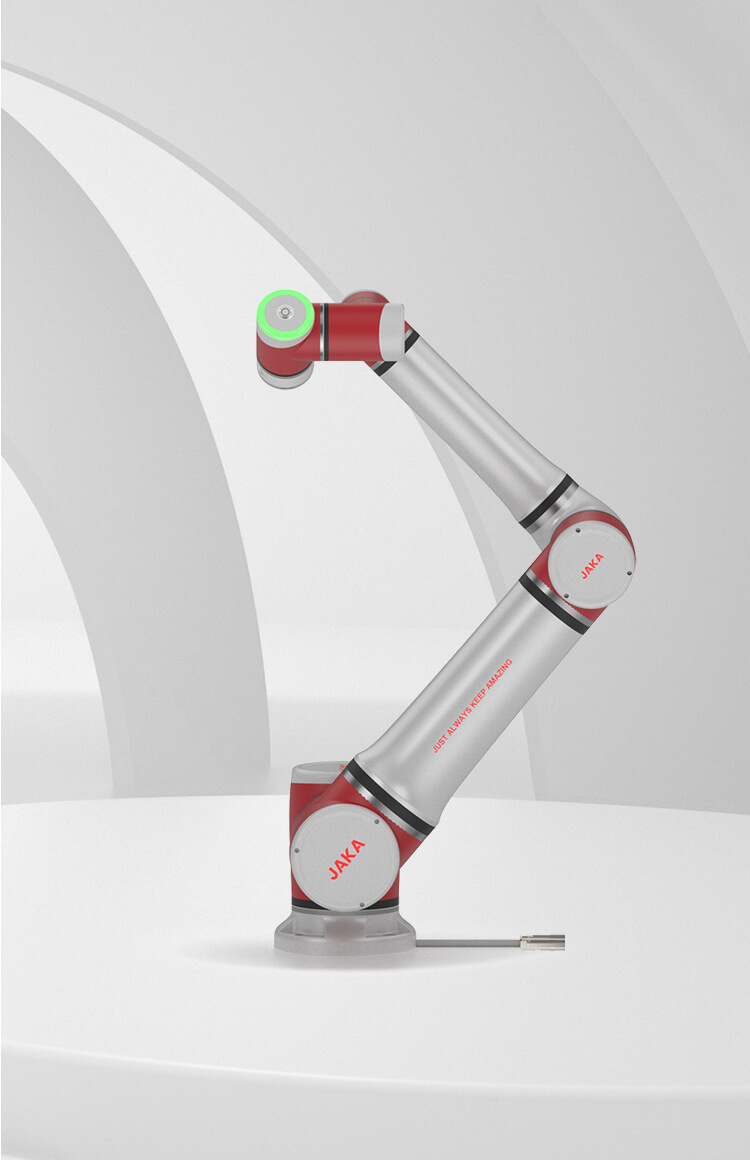
Ultimately, with companies like JAKA setting the pace for technology in the welding sector, the future looks set to be efficient and precise—a stark contrast to the manual methods of yesteryear. Remember, in a world where innovation drives success, staying ahead through technology is not just smart; it’s essential!