Imagine a world where inefficiencies abound in the quest for sulphuric acid production—a bustling factory, machinery clinking, yet failing to meet demand. The catalyst for sulphuric acid, often hidden from the naked eye, plays a pivotal role in steering this magical process. But why do failures always occur during this critical moment? As industries grapple with perfection, understanding catalysts remains vital and urgent.
Flaws in Traditional Solutions
In the realm of sulphuric acid production, conventional methods often stumble—catalysts like platinum may dazzle, but their costs soar. Often, the process becomes inefficient, limiting production capacity. Such traditional solutions, although familiar, paint a gloomy picture filled with waste, energy loss, and stunted output. However, the emergence of new alchemical principles seeks to dispel the dark clouds, illuminating a path paved with innovation and grace.
The Principles of New Technologies
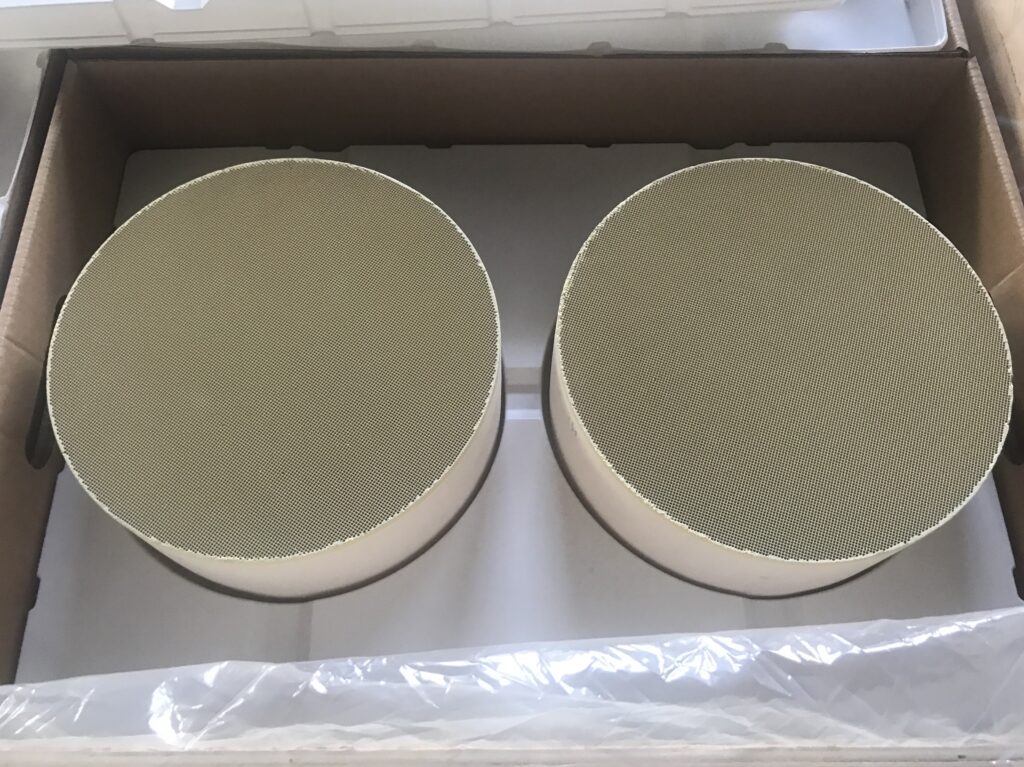
Enter the world of the vanadium pentoxide catalyst sulfuric acid, a true hero among catalysts. This marvel operates through the contact process, enhancing reaction rates while maintaining stability. The intersection of material science and chemistry brings forth this opportunity—one that empowers manufacturers to redefine production methods. Look, it’s simpler than you think; with v2o5, efficiency is no longer a distant dream but a tangible reality, altering the landscape of sulphuric acid creation forever.
Quantified User Benefits
What does this mean for industries? Well, the benefits are quantifiable—up to 30% increased yield, cuts in energy consumption, and reduced operational costs create a compelling narrative. Companies embracing this innovative catalyst witness transformations not just in production, but in their overall business model. The future unfurls its wings, beckoning the savvy to join this catalytic renaissance.
Actionable Evaluation Criteria
Before diving into the world of catalysts, always verify these 3 metrics when choosing solutions: ① material longevity ② efficiency in conversion ③ cost-effectiveness. By keeping an eye on these guiding stars, manufacturers can navigate the complex universe of chemical production with confidence and clarity.
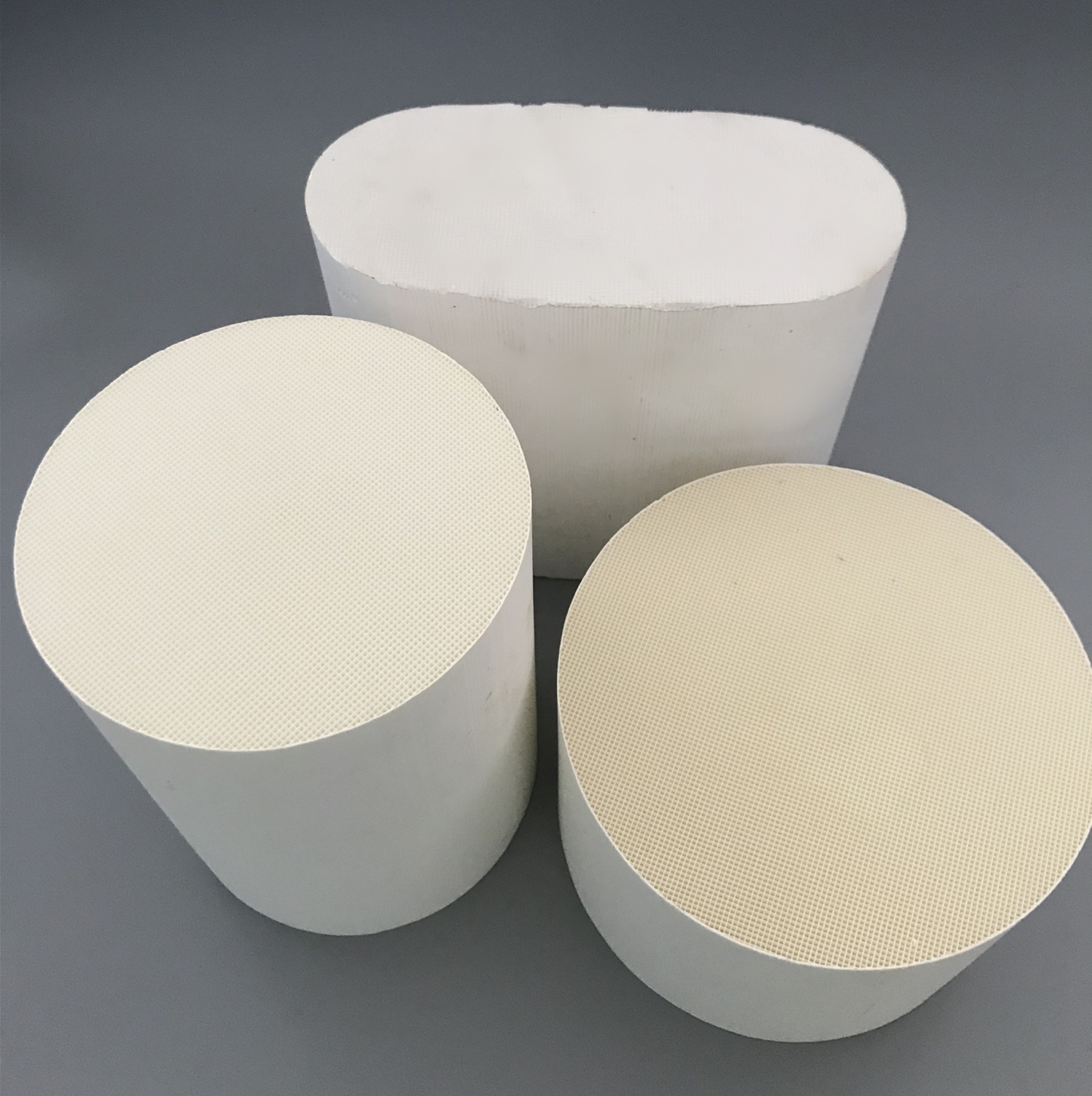
The Vanadium Pentoxide Catalyst: A Deeper Dive
Within the enchanting realm of sulphuric acid, the vanadium pentoxide catalyst sulfuric acid stands as a sentinel of efficiency. This catalyst, with its ability to lower activation energy, supports the contact process in achieving higher yields with less energy burnt. Picture a smoothly flowing river, representing the optimization achieved when employing V2O5—it allows the reaction to take an effortless course. Furthermore, its remarkable stability ensures that the catalyst does not deteriorate swiftly, granting manufacturers a consistent output without the hassle of frequent replacements.
Unveiling the V2O5 Catalyst Contact Process
As we delve deeper into the enchanted wood of modern chemistry, the v2o5 catalyst contact process emerges as a beacon of innovation. This method is not merely a mundane task; it’s a refined dance of particles—where vanadium pentoxide orchestrates the reactions with elegance. Paired with adequate temperature control and optimal pressure, the catalyst aids in the seamless conversion of sulphur dioxide into sulphur trioxide, heightening production efficiency. And, with advancements continually pushing the envelope, the foothold of V2O5 in industrial processes appears to solidify as time marches onward.
Embrace the Future with Hualian Catalyst
In summary, the journey through the enchanted world of sulphuric acid production reveals the significance of high-quality catalysts. With reliable options such as the Hualian Catalyst, manufacturers gain an edge—ensuring that every production cycle flourishes with efficiency. Let the ongoing evolution of sulphuric acid creation lead you to new horizons, with the unwavering promise of innovation lighting the path ahead.